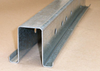
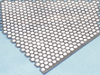
Featuring jewelry alloys, Sn anodes for plating, Sn shot for gray iron and titanium alloy additions, Grade A and 99.99% Sn, Sn-base babbitts, 5% phosphor Sn, Pewter, Sn-base solders, Sn powder, Sn oxide powder, Sn granular.
All types of Sn and Sn alloys for additions, alloying, casting chemical, plating, ACS reagent, and soldering uses.
Tin was one of the first metals known to man. Throughout ancient history, various cultures recognized the virtues of tin in coatings, alloys and compounds, and use of the metal increased with advanced technology. Today, Tin is an important metal in industry even though the annual tonnage used is much smaller than those of many other metals. One reason for the small tonnage is that, in most applications, only very small amounts of tin are used at a time.
Solders account for the second largest usage of Tin (after tinplate). Tin is an important constituent in solders because it wets and adheres to many common base metals at temperatures considerably below their melting points. Tin is alloyed with lead to produce solders with melting points lower than those of either tin or lead. Small amounts of various metals, notably antimony and silver, are added to tin-lead solders to increase their strength. These solders can be used for joints subjected to high or even subzero service temperatures.
Applications
Casting, Plating, Solder, Babitt Alloys, Bronze Alloys, ACS Grade for Chemical use Applications, Alloys with Lead, Antimony, Copper, Zinc, Bismuth, Phosphor
Forms
Pig, Ingot, Bar, Granular, Mossy, Shot, Anodes, Rod, Wire, Powder
| Belmont Metals, Inc. | |
|---|---|
| Product Category | Metal Shapes and Stock |
| Product Number | 7921 |
| Product Name | Britannia |
| Type | LowMelting; Tin |