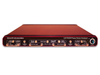
The MT8221B is a 7.1 GHz Spectrum Analyzer from Anritsu. A spectrum analyzer measures the power of spectrums of known and unknown signals. Spectrum analyzers collect information such as the magnitude of an input signal compared to its frequency. As a frequency analyzer, spectrum analyzers’ main use is to document and analyze electrical input signals as well as spectral compositions of other signals.
Additional Features:
400 MHz to 4.0 GHz Cable and Antenna Analyzer
150 kHz to 7.1 GHz Spectrum Analyzer
10 MHz to 7.1 GHz Power Meter
LTE, TD-LTE
GSM/GPRS/EDGE
W-CDMA/HSPA+
TD-SCDMA/HSPA+
CDMA, EV-DO
Fixed, Mobile WiMAX
PIM Analyzer
Vector Signal Generator
Zero-span IF Output
Gated Sweep
GPS information on stored traces
Standard Internal Preamp
Internal Power Meter
High Accuracy Power Meter
USB Power Sensors, up to 26 GHz
Channel Scanner
< 5 minute warm-up time
Backhaul Analyzers E1, T1, T3
2.5 hour battery operation time
Ethernet/USB Data Transfer
MST Remote Access Tool
Line Sweep Tool
Cable and Antenna Analyzer
Measurements: RL, VSWR, Cable Loss, DTF, Phase, Gain
2-port Gain Measurement Uncertainty: < 0.45 dB
2-port Dynamic Range: > 80 dB
RF Immunity: +17 dBm on-channel, +10 dBm on-frequency
Calibration: OSL and FlexCal™
Bias Tee: 32 V internal
Spectrum and Interference Analyzer
Measurements: Occupied Bandwidth, Channel Power, ACPR, C/I
Interference Analyzer: Spectrogram, Signal Strength, RSSI, Signal ID
Dynamic Range: > 95 dB in 1 Hz RBW
DANL: –163 dBm in 1 Hz RBW
Phase Noise: –100 dBc/Hz @ 10 kHz offset
Frequency Accuracy: ± 25 ppb with GPS On
The BTS Master MT8221B is Anritsu's high performance base station analyzer. From the ground up it has been designed to support 4G standards and installed 2G/3G networks. The MT8221B's platform provides a 20 MHz demodulation capability to support LTE bandwidths from 1.4 to 20 MHz. It also features a 30 MHz Zero-Span IF Output for external demodulation of virtually any other wideband signal. In addition, a Vector Signal Generator option is available for comprehensive receiver testing capability with the flexibility to generate two modulated signals plus noise.
The MT8221B is a 7.1 GHz Spectrum Analyzer from Anritsu. A spectrum analyzer measures the power of spectrums of known and unknown signals. Spectrum analyzers collect information such as the magnitude of an input signal compared to its frequency. As a frequency analyzer, spectrum analyzers’ main use is to document and analyze electrical input signals as well as spectral compositions of other signals.
Additional Features:
- 400 MHz to 4.0 GHz Cable and Antenna Analyzer
- 150 kHz to 7.1 GHz Spectrum Analyzer
- 10 MHz to 7.1 GHz Power Meter
- LTE, TD-LTE
- GSM/GPRS/EDGE
- W-CDMA/HSPA+
- TD-SCDMA/HSPA+
- CDMA, EV-DO
- Fixed, Mobile WiMAX
- PIM Analyzer
- Vector Signal Generator
- Zero-span IF Output
- Gated Sweep
- GPS information on stored traces
- Standard Internal Preamp
- Internal Power Meter
- High Accuracy Power Meter
- USB Power Sensors, up to 26 GHz
- Channel Scanner
- < 5 minute warm-up time
- Backhaul Analyzers E1, T1, T3
- 2.5 hour battery operation time
- Ethernet/USB Data Transfer
- MST Remote Access Tool
- Line Sweep Tool
Cable and Antenna Analyzer
- Measurements: RL, VSWR, Cable Loss, DTF, Phase, Gain
- 2-port Gain Measurement Uncertainty: < 0.45 dB
- 2-port Dynamic Range: > 80 dB
- RF Immunity: +17 dBm on-channel, +10 dBm on-frequency
- Calibration: OSL and FlexCal™
- Bias Tee: 32 V internal
Spectrum and Interference Analyzer
- Measurements: Occupied Bandwidth, Channel Power, ACPR, C/I
- Interference Analyzer: Spectrogram, Signal Strength, RSSI, Signal ID
- Dynamic Range: > 95 dB in 1 Hz RBW
- DANL: –163 dBm in 1 Hz RBW
- Phase Noise: –100 dBc/Hz @ 10 kHz offset
- Frequency Accuracy: ± 25 ppb with GPS On
The BTS Master MT8221B is Anritsu's high performance base station analyzer. From the ground up it has been designed to support 4G standards and installed 2G/3G networks. The MT8221B's platform provides a 20 MHz demodulation capability to support LTE bandwidths from 1.4 to 20 MHz. It also features a 30 MHz Zero-Span IF Output for external demodulation of virtually any other wideband signal. In addition, a Vector Signal Generator option is available for comprehensive receiver testing capability with the flexibility to generate two modulated signals plus noise.