Anritsu Company Optical Analyzer MS9710C

Description
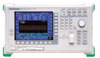
The MS9710C is an Optical Analyzer from Anritsu. An optical spectrum analyzer, also called an optical analyzer, is a precision instrument that measures the power of an optical source. This electronic test equipment is for monitoring power distribution over a specified wavelength span. It displays the measurement in a graph, where power is the vertical scale and wavelength is the horizontal scale. Additional Features: Wavelength accuracy of ±20 pm (WDM-band) Dynamic range of 42 dB (0.2 nm from peak wavelength), 70 dB (1 nm from peak wavelength) Resolution (FWHM) of 0.05 nm max. WDM measurement of wavelength, level, and SNR for up to 300 channels –90 dBm optical reception sensitivity Tracking function with tunable laser source 70 dB dynamic range The dynamic range at 0.2 nm from the peak wavelength is better than 42 dB and is a high 58 dB min. at 0.4 nm from the peak, permitting high-accuracy measurement of DWDM systems with a 50 GHz (0.4 nm) channel spacing. The analyzer demonstrates its excellence in SNR measurement of WDM light sources, as well as in evaluation of narrow-band optical band pass filters. –90 dBm guaranteed optical reception sensitivity The MS9710C has achieved an improved S/N over a wide range by countering the effects of noise and stray light. The RMS noise level at wavelengths from 1250 to 1600 nm is –90 dBm max. The screen display below is the waveform obtained when measuring a 1550 nm DFB-LD optical source with a power level of –85 dBm; only 25 seconds are required for one sweep. The S/N ratio can be improved using sweep averaging. Relying on WDM transmission As a result of the need for increased transmission capacity, R&D into large-capacity transmission techniques is becoming more active and Wavelength Division Multiplexing (WDM) is now in use. This WDM transmission technology requires quantitative measurement of the signal quality and wavelength transmission characteristics of each channel. Measuring instruments for this purpose require highly accurate wavelength and level measurements. Furthermore, accurate measurement of fiber-amplifier NF requires extremely good polarization dependant loss characteristics and level linearity specifications. The MS9710C design achieves excellent wavelength and level specifications for this purpose in the 1520 to 1620 nm wavelength band and also in the extended band (L-band) to 1620 nm. In particular, the wavelength accuracy can be calibrated automatically using an optional internal reference wavelength light source; the post-calibration accuracy is better than ±20 pm. Full function lineup In addition to its excellent basic functions, the MS9710C comes with a full lineup of other useful functions: Device analysis: For analyzing and evaluating waveforms of optical devices (DFB-LDs, FP-LDs, LEDs) Waveform analysis: For waveform analysis by RMS and threshold methods; SMSR, half-width evaluation, WDM waveform analysis Application measurement: EDFA NF and gain measurement, polarization mode dispersion measurement Modulation, pulsed light measurement: Max. frequency range (VBW) = 1 MHz Markers Multimarkers: Marker function for max. 300 points Zone markers: For waveform analysis within zone Peak/dip search: Searches for a peak or dip Power monitor: Also functions an optical power meter Vacuum wavelength display: Converts displayed wavelength to value in vacuum External interfaces: GPIB, RS-232C, VGA monitor output The MS9710C is a diffraction-grating spectrum analyzer for analyzing optical spectra in the 600 to 1750 nm wavelength band. In addition to uses such as measurement of LD and LED spectra, it has functions for measuring the transmission characteristics of passive elements such as optical isolators, as well as NF/Gain of optical fiber amplifier systems. In addition to its basic features, the superior stability and reliability of the diffraction grating (patent pending) offer the severe level and wavelength specifications particularly in the WDM band. This analyzer has the dynamic range, reception sensitivity and sweep speed requested by users, backed by Anritsu’s high-level technology. The high sensitivity meets the exacting demands placed on today’s measuring instruments. In particular, the excellent wavelength and level specifications fully meet the dense WDM requirements (1520 to 1620 nm). The MS9710C Optical Spectrum Analyzer is the successor to the popular MS9710B but with improved functions and higher performance. The specifications have been upgraded for the important 1.55 µm band for WDM communications and have also been optimised to include the new requirements for the L-band (1570 to 1620 nm) use. In addition to the high reliability and excellent basic performance, this analyzer has a full range of application functions to support accurate measurement in the fastest possible time.
Datasheet
Description
The MS9710C is an Optical Analyzer from Anritsu. An optical spectrum analyzer, also called an optical analyzer, is a precision instrument that measures the power of an optical source. This electronic test equipment is for monitoring power distribution over a specified wavelength span. It displays the measurement in a graph, where power is the vertical scale and wavelength is the horizontal scale. Additional Features: Wavelength accuracy of ±20 pm (WDM-band) Dynamic range of 42 dB (0.2 nm from peak wavelength), 70 dB (1 nm from peak wavelength) Resolution (FWHM) of 0.05 nm max. WDM measurement of wavelength, level, and SNR for up to 300 channels –90 dBm optical reception sensitivity Tracking function with tunable laser source 70 dB dynamic range The dynamic range at 0.2 nm from the peak wavelength is better than 42 dB and is a high 58 dB min. at 0.4 nm from the peak, permitting high-accuracy measurement of DWDM systems with a 50 GHz (0.4 nm) channel spacing. The analyzer demonstrates its excellence in SNR measurement of WDM light sources, as well as in evaluation of narrow-band optical band pass filters. –90 dBm guaranteed optical reception sensitivity The MS9710C has achieved an improved S/N over a wide range by countering the effects of noise and stray light. The RMS noise level at wavelengths from 1250 to 1600 nm is –90 dBm max. The screen display below is the waveform obtained when measuring a 1550 nm DFB-LD optical source with a power level of –85 dBm; only 25 seconds are required for one sweep. The S/N ratio can be improved using sweep averaging. Relying on WDM transmission As a result of the need for increased transmission capacity, R&D into large-capacity transmission techniques is becoming more active and Wavelength Division Multiplexing (WDM) is now in use. This WDM transmission technology requires quantitative measurement of the signal quality and wavelength transmission characteristics of each channel. Measuring instruments for this purpose require highly accurate wavelength and level measurements. Furthermore, accurate measurement of fiber-amplifier NF requires extremely good polarization dependant loss characteristics and level linearity specifications. The MS9710C design achieves excellent wavelength and level specifications for this purpose in the 1520 to 1620 nm wavelength band and also in the extended band (L-band) to 1620 nm. In particular, the wavelength accuracy can be calibrated automatically using an optional internal reference wavelength light source; the post-calibration accuracy is better than ±20 pm. Full function lineup In addition to its excellent basic functions, the MS9710C comes with a full lineup of other useful functions: Device analysis: For analyzing and evaluating waveforms of optical devices (DFB-LDs, FP-LDs, LEDs) Waveform analysis: For waveform analysis by RMS and threshold methods; SMSR, half-width evaluation, WDM waveform analysis Application measurement: EDFA NF and gain measurement, polarization mode dispersion measurement Modulation, pulsed light measurement: Max. frequency range (VBW) = 1 MHz Markers Multimarkers: Marker function for max. 300 points Zone markers: For waveform analysis within zone Peak/dip search: Searches for a peak or dip Power monitor: Also functions an optical power meter Vacuum wavelength display: Converts displayed wavelength to value in vacuum External interfaces: GPIB, RS-232C, VGA monitor output The MS9710C is a diffraction-grating spectrum analyzer for analyzing optical spectra in the 600 to 1750 nm wavelength band. In addition to uses such as measurement of LD and LED spectra, it has functions for measuring the transmission characteristics of passive elements such as optical isolators, as well as NF/Gain of optical fiber amplifier systems. In addition to its basic features, the superior stability and reliability of the diffraction grating (patent pending) offer the severe level and wavelength specifications particularly in the WDM band. This analyzer has the dynamic range, reception sensitivity and sweep speed requested by users, backed by Anritsu’s high-level technology. The high sensitivity meets the exacting demands placed on today’s measuring instruments. In particular, the excellent wavelength and level specifications fully meet the dense WDM requirements (1520 to 1620 nm). The MS9710C Optical Spectrum Analyzer is the successor to the popular MS9710B but with improved functions and higher performance. The specifications have been upgraded for the important 1.55 µm band for WDM communications and have also been optimised to include the new requirements for the L-band (1570 to 1620 nm) use. In addition to the high reliability and excellent basic performance, this analyzer has a full range of application functions to support accurate measurement in the fastest possible time.
Datasheet

Suppliers

Company
Product
Description
Supplier Links
Optical Analyzer - MS9710C - ValueTronics International, Inc.
Elgin, IL, USA
Optical Analyzer
MS9710C
Optical Analyzer MS9710C
The MS9710C is an Optical Analyzer from Anritsu. An optical spectrum analyzer, also called an optical analyzer, is a precision instrument that measures the power of an optical source. This electronic test equipment is for monitoring power distribution over a specified wavelength span. It displays the measurement in a graph, where power is the vertical scale and wavelength is the horizontal scale. Additional Features: Wavelength accuracy of ±20 pm (WDM-band) Dynamic range of 42 dB (0.2 nm from peak wavelength), 70 dB (1 nm from peak wavelength) Resolution (FWHM) of 0.05 nm max. WDM measurement of wavelength, level, and SNR for up to 300 channels –90 dBm optical reception sensitivity Tracking function with tunable laser source 70 dB dynamic range The dynamic range at 0.2 nm from the peak wavelength is better than 42 dB and is a high 58 dB min. at 0.4 nm from the peak, permitting high-accuracy measurement of DWDM systems with a 50 GHz (0.4 nm) channel spacing. The analyzer demonstrates its excellence in SNR measurement of WDM light sources, as well as in evaluation of narrow-band optical band pass filters. –90 dBm guaranteed optical reception sensitivity The MS9710C has achieved an improved S/N over a wide range by countering the effects of noise and stray light. The RMS noise level at wavelengths from 1250 to 1600 nm is –90 dBm max. The screen display below is the waveform obtained when measuring a 1550 nm DFB-LD optical source with a power level of –85 dBm; only 25 seconds are required for one sweep. The S/N ratio can be improved using sweep averaging. Relying on WDM transmission As a result of the need for increased transmission capacity, R&D into large-capacity transmission techniques is becoming more active and Wavelength Division Multiplexing (WDM) is now in use. This WDM transmission technology requires quantitative measurement of the signal quality and wavelength transmission characteristics of each channel. Measuring instruments for this purpose require highly accurate wavelength and level measurements. Furthermore, accurate measurement of fiber-amplifier NF requires extremely good polarization dependant loss characteristics and level linearity specifications. The MS9710C design achieves excellent wavelength and level specifications for this purpose in the 1520 to 1620 nm wavelength band and also in the extended band (L-band) to 1620 nm. In particular, the wavelength accuracy can be calibrated automatically using an optional internal reference wavelength light source; the post-calibration accuracy is better than ±20 pm. Full function lineup In addition to its excellent basic functions, the MS9710C comes with a full lineup of other useful functions: Device analysis: For analyzing and evaluating waveforms of optical devices (DFB-LDs, FP-LDs, LEDs) Waveform analysis: For waveform analysis by RMS and threshold methods; SMSR, half-width evaluation, WDM waveform analysis Application measurement: EDFA NF and gain measurement, polarization mode dispersion measurement Modulation, pulsed light measurement: Max. frequency range (VBW) = 1 MHz Markers Multimarkers: Marker function for max. 300 points Zone markers: For waveform analysis within zone Peak/dip search: Searches for a peak or dip Power monitor: Also functions an optical power meter Vacuum wavelength display: Converts displayed wavelength to value in vacuum External interfaces: GPIB, RS-232C, VGA monitor output The MS9710C is a diffraction-grating spectrum analyzer for analyzing optical spectra in the 600 to 1750 nm wavelength band. In addition to uses such as measurement of LD and LED spectra, it has functions for measuring the transmission characteristics of passive elements such as optical isolators, as well as NF/Gain of optical fiber amplifier systems. In addition to its basic features, the superior stability and reliability of the diffraction grating (patent pending) offer the severe level and wavelength specifications particularly in the WDM band. This analyzer has the dynamic range, reception sensitivity and sweep speed requested by users, backed by Anritsu’s high-level technology. The high sensitivity meets the exacting demands placed on today’s measuring instruments. In particular, the excellent wavelength and level specifications fully meet the dense WDM requirements (1520 to 1620 nm). The MS9710C Optical Spectrum Analyzer is the successor to the popular MS9710B but with improved functions and higher performance. The specifications have been upgraded for the important 1.55 µm band for WDM communications and have also been optimised to include the new requirements for the L-band (1570 to 1620 nm) use. In addition to the high reliability and excellent basic performance, this analyzer has a full range of application functions to support accurate measurement in the fastest possible time.

The MS9710C is an Optical Analyzer from Anritsu. An optical spectrum analyzer, also called an optical analyzer, is a precision instrument that measures the power of an optical source. This electronic test equipment is for monitoring power distribution over a specified wavelength span. It displays the measurement in a graph, where power is the vertical scale and wavelength is the horizontal scale.

Additional Features:

  • Wavelength accuracy of ±20 pm (WDM-band)
  • Dynamic range of 42 dB (0.2 nm from peak wavelength), 70 dB (1 nm from peak wavelength)
  • Resolution (FWHM) of 0.05 nm max.
  • WDM measurement of wavelength, level, and SNR for up to 300 channels
  • –90 dBm optical reception sensitivity
  • Tracking function with tunable laser source

70 dB dynamic range
The dynamic range at 0.2 nm from the peak wavelength is better than 42 dB and is a high 58 dB min. at 0.4 nm from the peak, permitting high-accuracy measurement of DWDM systems with a 50 GHz (0.4 nm) channel spacing. The analyzer demonstrates its excellence in SNR measurement of WDM light sources, as well as in evaluation of narrow-band optical band pass filters.

–90 dBm guaranteed optical reception sensitivity
The MS9710C has achieved an improved S/N over a wide range by countering the effects of noise and stray light. The RMS noise level at wavelengths from 1250 to 1600 nm is –90 dBm max. The screen display below is the waveform obtained when measuring a 1550 nm DFB-LD optical source with a power level of –85 dBm; only 25 seconds are required for one sweep. The S/N ratio can be improved using sweep averaging.

Relying on WDM transmission
As a result of the need for increased transmission capacity, R&D into large-capacity transmission techniques is becoming more active and Wavelength Division Multiplexing (WDM) is now in use. This WDM transmission technology requires quantitative measurement of the signal quality and wavelength transmission characteristics of each channel.
Measuring instruments for this purpose require highly accurate wavelength and level measurements. Furthermore, accurate measurement of fiber-amplifier NF requires extremely good polarization dependant loss characteristics and level linearity specifications.
The MS9710C design achieves excellent wavelength and level specifications for this purpose in the 1520 to 1620 nm wavelength band and also in the extended band (L-band) to 1620 nm. In particular, the wavelength accuracy can be calibrated automatically using an optional internal reference wavelength light source; the post-calibration accuracy is better than ±20 pm.

Full function lineup
In addition to its excellent basic functions, the MS9710C comes with a full lineup of other useful functions:

  • Device analysis: For analyzing and evaluating waveforms of optical devices (DFB-LDs, FP-LDs, LEDs)
  • Waveform analysis: For waveform analysis by RMS and threshold methods; SMSR, half-width evaluation, WDM waveform analysis
  • Application measurement: EDFA NF and gain measurement, polarization mode dispersion measurement
  • Modulation, pulsed light measurement: Max. frequency range (VBW) = 1 MHz
  • Markers
  • Multimarkers: Marker function for max. 300 points
  • Zone markers: For waveform analysis within zone Peak/dip search: Searches for a peak or dip
  • Power monitor: Also functions an optical power meter
  • Vacuum wavelength display: Converts displayed wavelength to value in vacuum
  • External interfaces: GPIB, RS-232C, VGA monitor output

The MS9710C is a diffraction-grating spectrum analyzer for analyzing optical spectra in the 600 to 1750 nm wavelength band. In addition to uses such as measurement of LD and LED spectra, it has functions for measuring the transmission characteristics of passive elements such as optical isolators, as well as NF/Gain of optical fiber amplifier systems. In addition to its basic features, the superior stability and reliability of the diffraction grating (patent pending) offer the severe level and wavelength specifications particularly in the WDM band. This analyzer has the dynamic range, reception sensitivity and sweep speed requested by users, backed by Anritsu’s high-level technology. The high sensitivity meets the exacting demands placed on today’s measuring instruments. In particular, the excellent wavelength and level specifications fully meet the dense WDM requirements (1520 to 1620 nm).

The MS9710C Optical Spectrum Analyzer is the successor to the popular MS9710B but with improved functions and higher performance. The specifications have been upgraded for the important 1.55 µm band for WDM communications and have also been optimised to include the new requirements for the L-band (1570 to 1620 nm) use. In addition to the high reliability and excellent basic performance, this analyzer has a full range of application functions to support accurate measurement in the fastest possible time.

Supplier's Site Datasheet

Technical Specifications

  ValueTronics International, Inc.
Product Category Spectrum Analyzers and Signal Analyzers
Product Number MS9710C
Product Name Optical Analyzer
Unlock Full Specs
to access all available technical data

Similar Products

Viper - viper - Cosmic Equipment SpA
Cosmic Equipment SpA
View Details
Spectrum Analyzer - SSA3075X Plus - Siglent Technologies NA, Inc.
Siglent Technologies NA, Inc.
Specs
Special Instrument Type Portable
Analyzer Type Instrument
User Interface Front Panel
View Details
JHS7000A Series Signal Analyzer -  - kTB Solutions
Specs
Frequency Range 0.0020 to 1.36E7 kHz
View Details