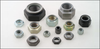

This series of retaining nuts is specified by the Department of Defense as the Military Standard (MIL-N-21337) to limit the selection of nuts. Each locknut is subjected to magnetic particle inspection to remove any with possible flaws in the metal. This series is made out of low carbon steel.
This series of retaining nuts is specified by the Department of Defense as the Military Standard (MIL-N-21337) to limit the selection of nuts. Each locknut is subjected to magnetic particle inspection to remove any with possible flaws in the metal. This series is made out of low carbon steel.
Made of AMS-6382 steel hardened to a Rockwell reading of C26-32, each locknut is subjected to magnetic particle inspection to remove any with possible flaws in the metal. With these locknuts use the WMS 172201/235 series developed as the companion lockwashers.
This series of retaining nuts is specified by the Department of Defense as the Military Standard (MIL-N-21337) to limit the selection of nuts. Each locknut is subjected to magnetic particle inspection to remove any with possible flaws in the metal. This series is made out of low carbon steel.
This series of retaining nuts is specified by the Department of Defense as the Military Standard (MIL-N-21337) to limit the selection of nuts. Each locknut is subjected to magnetic particle inspection to remove any with possible flaws in the metal. This series is made out of low carbon steel.
This series of retaining nuts is specified by the Department of Defense as the Military Standard (MIL-N-21337) to limit the selection of nuts. Each locknut is subjected to magnetic particle inspection to remove any with possible flaws in the metal. This series is made out of low carbon steel.
This series of retaining nuts is specified by the Department of Defense as the Military Standard (MIL-N-21337) to limit the selection of nuts. Each locknut is subjected to magnetic particle inspection to remove any with possible flaws in the metal. This series is made out of low carbon steel.
This series of retaining nuts is specified by the Department of Defense as the Military Standard (MIL-N-21337) to limit the selection of nuts. Each locknut is subjected to magnetic particle inspection to remove any with possible flaws in the metal. This series is made out of low carbon steel.
This series of retaining nuts is specified by the Department of Defense as the Military Standard (MIL-N-21337) to limit the selection of nuts. Each locknut is subjected to magnetic particle inspection to remove any with possible flaws in the metal. This series is made out of low carbon steel.
Made of AMS-6382 steel hardened to a Rockwell reading of C26-32, each locknut is subjected to magnetic particle inspection to remove any with possible flaws in the metal. With these locknuts use the WMS 172201/235 series developed as the companion lockwashers.
This series of retaining nuts is specified by the Department of Defense as the Military Standard (MIL-N-21337) to limit the selection of nuts. Each locknut is subjected to magnetic particle inspection to remove any with possible flaws in the metal. This series is made out of low carbon steel.
This series of retaining nuts is specified by the Department of Defense as the Military Standard (MIL-N-21337) to limit the selection of nuts. Each locknut is subjected to magnetic particle inspection to remove any with possible flaws in the metal. This series is made out of low carbon steel.
This series of retaining nuts is specified by the Department of Defense as the Military Standard (MIL-N-21337) to limit the selection of nuts. Each locknut is subjected to magnetic particle inspection to remove any with possible flaws in the metal. This series is made out of low carbon steel.
This series of retaining nuts is specified by the Department of Defense as the Military Standard (MIL-N-21337) to limit the selection of nuts. Each locknut is subjected to magnetic particle inspection to remove any with possible flaws in the metal. This series is made out of low carbon steel.
This series of retaining nuts is specified by the Department of Defense as the Military Standard (MIL-N-21337) to limit the selection of nuts. Each locknut is subjected to magnetic particle inspection to remove any with possible flaws in the metal. This series is made out of low carbon steel.
Made of AMS-6382 steel hardened to a Rockwell reading of C26-32, each locknut is subjected to magnetic particle inspection to remove any with possible flaws in the metal. With these locknuts use the WMS 172201/235 series developed as the companion lockwashers.
This series of retaining nuts is specified by the Department of Defense as the Military Standard (MIL-N-21337) to limit the selection of nuts. Each locknut is subjected to magnetic particle inspection to remove any with possible flaws in the metal. This series is made out of low carbon steel.
This series of retaining nuts is specified by the Department of Defense as the Military Standard (MIL-N-21337) to limit the selection of nuts. Each locknut is subjected to magnetic particle inspection to remove any with possible flaws in the metal. This series is made out of low carbon steel.
This series of retaining nuts is specified by the Department of Defense as the Military Standard (MIL-N-21337) to limit the selection of nuts. Each locknut is subjected to magnetic particle inspection to remove any with possible flaws in the metal. This series is made out of low carbon steel.
This series of retaining nuts is specified by the Department of Defense as the Military Standard (MIL-N-21337) to limit the selection of nuts. Each locknut is subjected to magnetic particle inspection to remove any with possible flaws in the metal. This series is made out of low carbon steel.
Made of AMS-6382 steel hardened to a Rockwell reading of C26-32, each locknut is subjected to magnetic particle inspection to remove any with possible flaws in the metal. With these locknuts use the WMS 172201/235 series developed as the companion lockwashers.
This series of retaining nuts is specified by the Department of Defense as the Military Standard (MIL-N-21337) to limit the selection of nuts. Each locknut is subjected to magnetic particle inspection to remove any with possible flaws in the metal. This series is made out of low carbon steel.
This series of retaining nuts is specified by the Department of Defense as the Military Standard (MIL-N-21337) to limit the selection of nuts. Each locknut is subjected to magnetic particle inspection to remove any with possible flaws in the metal. This series is made out of low carbon steel.
This series of retaining nuts is specified by the Department of Defense as the Military Standard (MIL-N-21337) to limit the selection of nuts. Each locknut is subjected to magnetic particle inspection to remove any with possible flaws in the metal. This series is made out of low carbon steel.
This series of retaining nuts is specified by the Department of Defense as the Military Standard (MIL-N-21337) to limit the selection of nuts. Each locknut is subjected to magnetic particle inspection to remove any with possible flaws in the metal. This series is made out of low carbon steel.
This series of retaining nuts is specified by the Department of Defense as the Military Standard (MIL-N-21337) to limit the selection of nuts. Each locknut is subjected to magnetic particle inspection to remove any with possible flaws in the metal. This series is made out of low carbon steel.
This series of retaining nuts is specified by the Department of Defense as the Military Standard (MIL-N-21337) to limit the selection of nuts. Each locknut is subjected to magnetic particle inspection to remove any with possible flaws in the metal. This series is made out of low carbon steel.
This series of retaining nuts is specified by the Department of Defense as the Military Standard (MIL-N-21337) to limit the selection of nuts. Each locknut is subjected to magnetic particle inspection to remove any with possible flaws in the metal. This series is made out of low carbon steel.
This series of retaining nuts is specified by the Department of Defense as the Military Standard (MIL-N-21337) to limit the selection of nuts. Each locknut is subjected to magnetic particle inspection to remove any with possible flaws in the metal. This series is made out of low carbon steel.
Made of AMS-6382 steel hardened to a Rockwell reading of C26-32, each locknut is subjected to magnetic particle inspection to remove any with possible flaws in the metal. With these locknuts use the WMS 172201/235 series developed as the companion lockwashers.
Made of AMS-6382 steel hardened to a Rockwell reading of C26-32, each locknut is subjected to magnetic particle inspection to remove any with possible flaws in the metal. With these locknuts use the WMS 172201/235 series developed as the companion lockwashers.
Made of AMS-6382 steel hardened to a Rockwell reading of C26-32, each locknut is subjected to magnetic particle inspection to remove any with possible flaws in the metal. With these locknuts use the WMS 172201/235 series developed as the companion lockwashers.
This series of retaining nuts is specified by the Department of Defense as the Military Standard (MIL-N-21337) to limit the selection of nuts. Each locknut is subjected to magnetic particle inspection to remove any with possible flaws in the metal. This series is made out of low carbon steel.
This series of retaining nuts is specified by the Department of Defense as the Military Standard (MIL-N-21337) to limit the selection of nuts. Each locknut is subjected to magnetic particle inspection to remove any with possible flaws in the metal. This series is made out of low carbon steel.
This series of retaining nuts is specified by the Department of Defense as the Military Standard (MIL-N-21337) to limit the selection of nuts. Each locknut is subjected to magnetic particle inspection to remove any with possible flaws in the metal. This series is made out of low carbon steel.
This series of retaining nuts is specified by the Department of Defense as the Military Standard (MIL-N-21337) to limit the selection of nuts. Each locknut is subjected to magnetic particle inspection to remove any with possible flaws in the metal. This series is made out of low carbon steel.
Made of AMS-6382 steel hardened to a Rockwell reading of C26-32, each locknut is subjected to magnetic particle inspection to remove any with possible flaws in the metal. With these locknuts use the WMS 172201/235 series developed as the companion lockwashers.
Made of AMS-6382 steel hardened to a Rockwell reading of C26-32, each locknut is subjected to magnetic particle inspection to remove any with possible flaws in the metal. With these locknuts use the WMS 172201/235 series developed as the companion lockwashers.
This series of retaining nuts is specified by the Department of Defense as the Military Standard (MIL-N-21337) to limit the selection of nuts. Each locknut is subjected to magnetic particle inspection to remove any with possible flaws in the metal. This series is made out of low carbon steel.
This series of retaining nuts is specified by the Department of Defense as the Military Standard (MIL-N-21337) to limit the selection of nuts. Each locknut is subjected to magnetic particle inspection to remove any with possible flaws in the metal. This series is made out of low carbon steel.
This series of retaining nuts is specified by the Department of Defense as the Military Standard (MIL-N-21337) to limit the selection of nuts. Each locknut is subjected to magnetic particle inspection to remove any with possible flaws in the metal. This series is made out of low carbon steel.
This series of retaining nuts is specified by the Department of Defense as the Military Standard (MIL-N-21337) to limit the selection of nuts. Each locknut is subjected to magnetic particle inspection to remove any with possible flaws in the metal. This series is made out of low carbon steel.
This series of retaining nuts is specified by the Department of Defense as the Military Standard (MIL-N-21337) to limit the selection of nuts. Each locknut is subjected to magnetic particle inspection to remove any with possible flaws in the metal. This series is made out of low carbon steel.
This series of retaining nuts is specified by the Department of Defense as the Military Standard (MIL-N-21337) to limit the selection of nuts. Each locknut is subjected to magnetic particle inspection to remove any with possible flaws in the metal. This series is made out of low carbon steel.
Made of AMS-6382 steel hardened to a Rockwell reading of C26-32, each locknut is subjected to magnetic particle inspection to remove any with possible flaws in the metal. With these locknuts use the WMS 172201/235 series developed as the companion lockwashers.
This series of retaining nuts is specified by the Department of Defense as the Military Standard (MIL-N-21337) to limit the selection of nuts. Each locknut is subjected to magnetic particle inspection to remove any with possible flaws in the metal. This series is made out of low carbon steel.
This series of retaining nuts is specified by the Department of Defense as the Military Standard (MIL-N-21337) to limit the selection of nuts. Each locknut is subjected to magnetic particle inspection to remove any with possible flaws in the metal. This series is made out of low carbon steel.
This series of retaining nuts is specified by the Department of Defense as the Military Standard (MIL-N-21337) to limit the selection of nuts. Each locknut is subjected to magnetic particle inspection to remove any with possible flaws in the metal. This series is made out of low carbon steel.
This series of retaining nuts is specified by the Department of Defense as the Military Standard (MIL-N-21337) to limit the selection of nuts. Each locknut is subjected to magnetic particle inspection to remove any with possible flaws in the metal. This series is made out of low carbon steel.
This series of retaining nuts is specified by the Department of Defense as the Military Standard (MIL-N-21337) to limit the selection of nuts. Each locknut is subjected to magnetic particle inspection to remove any with possible flaws in the metal. This series is made out of low carbon steel.
This series of retaining nuts is specified by the Department of Defense as the Military Standard (MIL-N-21337) to limit the selection of nuts. Each locknut is subjected to magnetic particle inspection to remove any with possible flaws in the metal. This series is made out of low carbon steel.
This series of retaining nuts is specified by the Department of Defense as the Military Standard (MIL-N-21337) to limit the selection of nuts. Each locknut is subjected to magnetic particle inspection to remove any with possible flaws in the metal. This series is made out of low carbon steel.
This series of retaining nuts is specified by the Department of Defense as the Military Standard (MIL-N-21337) to limit the selection of nuts. Each locknut is subjected to magnetic particle inspection to remove any with possible flaws in the metal. This series is made out of low carbon steel.
This series of retaining nuts is specified by the Department of Defense as the Military Standard (MIL-N-21337) to limit the selection of nuts. Each locknut is subjected to magnetic particle inspection to remove any with possible flaws in the metal. This series is made out of low carbon steel.
This series of retaining nuts is specified by the Department of Defense as the Military Standard (MIL-N-21337) to limit the selection of nuts. Each locknut is subjected to magnetic particle inspection to remove any with possible flaws in the metal. This series is made out of low carbon steel.
This series of retaining nuts is specified by the Department of Defense as the Military Standard (MIL-N-21337) to limit the selection of nuts. Each locknut is subjected to magnetic particle inspection to remove any with possible flaws in the metal. This series is made out of low carbon steel.
Made of AMS-6382 steel hardened to a Rockwell reading of C26-32, each locknut is subjected to magnetic particle inspection to remove any with possible flaws in the metal. With these locknuts use the WMS 172201/235 series developed as the companion lockwashers.
This series of retaining nuts is specified by the Department of Defense as the Military Standard (MIL-N-21337) to limit the selection of nuts. Each locknut is subjected to magnetic particle inspection to remove any with possible flaws in the metal. This series is made out of low carbon steel.
This series of retaining nuts is specified by the Department of Defense as the Military Standard (MIL-N-21337) to limit the selection of nuts. Each locknut is subjected to magnetic particle inspection to remove any with possible flaws in the metal. This series is made out of low carbon steel.
This series of retaining nuts is specified by the Department of Defense as the Military Standard (MIL-N-21337) to limit the selection of nuts. Each locknut is subjected to magnetic particle inspection to remove any with possible flaws in the metal. This series is made out of low carbon steel.
This series of retaining nuts is specified by the Department of Defense as the Military Standard (MIL-N-21337) to limit the selection of nuts. Each locknut is subjected to magnetic particle inspection to remove any with possible flaws in the metal. This series is made out of low carbon steel.
This series of retaining nuts is specified by the Department of Defense as the Military Standard (MIL-N-21337) to limit the selection of nuts. Each locknut is subjected to magnetic particle inspection to remove any with possible flaws in the metal. This series is made out of low carbon steel.
This series of retaining nuts is specified by the Department of Defense as the Military Standard (MIL-N-21337) to limit the selection of nuts. Each locknut is subjected to magnetic particle inspection to remove any with possible flaws in the metal. This series is made out of low carbon steel.
This series of retaining nuts is specified by the Department of Defense as the Military Standard (MIL-N-21337) to limit the selection of nuts. Each locknut is subjected to magnetic particle inspection to remove any with possible flaws in the metal. This series is made out of low carbon steel.
This series of retaining nuts is specified by the Department of Defense as the Military Standard (MIL-N-21337) to limit the selection of nuts. Each locknut is subjected to magnetic particle inspection to remove any with possible flaws in the metal. This series is made out of low carbon steel.
This series of retaining nuts is specified by the Department of Defense as the Military Standard (MIL-N-21337) to limit the selection of nuts. Each locknut is subjected to magnetic particle inspection to remove any with possible flaws in the metal. This series is made out of low carbon steel.
This series of retaining nuts is specified by the Department of Defense as the Military Standard (MIL-N-21337) to limit the selection of nuts. Each locknut is subjected to magnetic particle inspection to remove any with possible flaws in the metal. This series is made out of low carbon steel.
This series of retaining nuts is specified by the Department of Defense as the Military Standard (MIL-N-21337) to limit the selection of nuts. Each locknut is subjected to magnetic particle inspection to remove any with possible flaws in the metal. This series is made out of low carbon steel.
This series of retaining nuts is specified by the Department of Defense as the Military Standard (MIL-N-21337) to limit the selection of nuts. Each locknut is subjected to magnetic particle inspection to remove any with possible flaws in the metal. This series is made out of low carbon steel.
This series of retaining nuts is specified by the Department of Defense as the Military Standard (MIL-N-21337) to limit the selection of nuts. Each locknut is subjected to magnetic particle inspection to remove any with possible flaws in the metal. This series is made out of low carbon steel.
This series of retaining nuts is specified by the Department of Defense as the Military Standard (MIL-N-21337) to limit the selection of nuts. Each locknut is subjected to magnetic particle inspection to remove any with possible flaws in the metal. This series is made out of low carbon steel.
This series of retaining nuts is specified by the Department of Defense as the Military Standard (MIL-N-21337) to limit the selection of nuts. Each locknut is subjected to magnetic particle inspection to remove any with possible flaws in the metal. This series is made out of low carbon steel.
This series of retaining nuts is specified by the Department of Defense as the Military Standard (MIL-N-21337) to limit the selection of nuts. Each locknut is subjected to magnetic particle inspection to remove any with possible flaws in the metal. This series is made out of low carbon steel.
Made of AMS-6382 steel hardened to a Rockwell reading of C26-32, each locknut is subjected to magnetic particle inspection to remove any with possible flaws in the metal. With these locknuts use the WMS 172201/235 series developed as the companion lockwashers.
Made of AMS-6382 steel hardened to a Rockwell reading of C26-32, each locknut is subjected to magnetic particle inspection to remove any with possible flaws in the metal. With these locknuts use the WMS 172201/235 series developed as the companion lockwashers.
This series of retaining nuts is specified by the Department of Defense as the Military Standard (MIL-N-21337) to limit the selection of nuts. Each locknut is subjected to magnetic particle inspection to remove any with possible flaws in the metal. This series is made out of low carbon steel.
This series of retaining nuts is specified by the Department of Defense as the Military Standard (MIL-N-21337) to limit the selection of nuts. Each locknut is subjected to magnetic particle inspection to remove any with possible flaws in the metal. This series is made out of low carbon steel.
This series of retaining nuts is specified by the Department of Defense as the Military Standard (MIL-N-21337) to limit the selection of nuts. Each locknut is subjected to magnetic particle inspection to remove any with possible flaws in the metal. This series is made out of low carbon steel.
This series of retaining nuts is specified by the Department of Defense as the Military Standard (MIL-N-21337) to limit the selection of nuts. Each locknut is subjected to magnetic particle inspection to remove any with possible flaws in the metal. This series is made out of low carbon steel.
This series of retaining nuts is specified by the Department of Defense as the Military Standard (MIL-N-21337) to limit the selection of nuts. Each locknut is subjected to magnetic particle inspection to remove any with possible flaws in the metal. This series is made out of low carbon steel.
This series of retaining nuts is specified by the Department of Defense as the Military Standard (MIL-N-21337) to limit the selection of nuts. Each locknut is subjected to magnetic particle inspection to remove any with possible flaws in the metal. This series is made out of low carbon steel.
This series of retaining nuts is specified by the Department of Defense as the Military Standard (MIL-N-21337) to limit the selection of nuts. Each locknut is subjected to magnetic particle inspection to remove any with possible flaws in the metal. This series is made out of low carbon steel.
This series of retaining nuts is specified by the Department of Defense as the Military Standard (MIL-N-21337) to limit the selection of nuts. Each locknut is subjected to magnetic particle inspection to remove any with possible flaws in the metal. This series is made out of low carbon steel.
Made of AMS-6382 steel hardened to a Rockwell reading of C26-32, each locknut is subjected to magnetic particle inspection to remove any with possible flaws in the metal. With these locknuts use the WMS 172201/235 series developed as the companion lockwashers.
This series of retaining nuts is specified by the Department of Defense as the Military Standard (MIL-N-21337) to limit the selection of nuts. Each locknut is subjected to magnetic particle inspection to remove any with possible flaws in the metal. This series is made out of low carbon steel.
This series of retaining nuts is specified by the Department of Defense as the Military Standard (MIL-N-21337) to limit the selection of nuts. Each locknut is subjected to magnetic particle inspection to remove any with possible flaws in the metal. This series is made out of low carbon steel.
This series of retaining nuts is specified by the Department of Defense as the Military Standard (MIL-N-21337) to limit the selection of nuts. Each locknut is subjected to magnetic particle inspection to remove any with possible flaws in the metal. This series is made out of low carbon steel.
This series of retaining nuts is specified by the Department of Defense as the Military Standard (MIL-N-21337) to limit the selection of nuts. Each locknut is subjected to magnetic particle inspection to remove any with possible flaws in the metal. This series is made out of low carbon steel.
This series of retaining nuts is specified by the Department of Defense as the Military Standard (MIL-N-21337) to limit the selection of nuts. Each locknut is subjected to magnetic particle inspection to remove any with possible flaws in the metal. This series is made out of low carbon steel.
Made of AMS-6382 steel hardened to a Rockwell reading of C26-32, each locknut is subjected to magnetic particle inspection to remove any with possible flaws in the metal. With these locknuts use the WMS 172201/235 series developed as the companion lockwashers.
| Whittet-Higgins Company | Whittet-Higgins Company | Whittet-Higgins Company | Whittet-Higgins Company | Whittet-Higgins Company | Whittet-Higgins Company | Whittet-Higgins Company | Whittet-Higgins Company | Whittet-Higgins Company | Whittet-Higgins Company | Whittet-Higgins Company | Whittet-Higgins Company | Whittet-Higgins Company | Whittet-Higgins Company | Whittet-Higgins Company | Whittet-Higgins Company | Whittet-Higgins Company | Whittet-Higgins Company | Whittet-Higgins Company | Whittet-Higgins Company | Whittet-Higgins Company | Whittet-Higgins Company | Whittet-Higgins Company | Whittet-Higgins Company | Whittet-Higgins Company | Whittet-Higgins Company | Whittet-Higgins Company | Whittet-Higgins Company | Whittet-Higgins Company | Whittet-Higgins Company | Whittet-Higgins Company | Whittet-Higgins Company | Whittet-Higgins Company | Whittet-Higgins Company | Whittet-Higgins Company | Whittet-Higgins Company | Whittet-Higgins Company | Whittet-Higgins Company | Whittet-Higgins Company | Whittet-Higgins Company | Whittet-Higgins Company | Whittet-Higgins Company | Whittet-Higgins Company | Whittet-Higgins Company | Whittet-Higgins Company | Whittet-Higgins Company | Whittet-Higgins Company | Whittet-Higgins Company | Whittet-Higgins Company | Whittet-Higgins Company | Whittet-Higgins Company | Whittet-Higgins Company | Whittet-Higgins Company | Whittet-Higgins Company | Whittet-Higgins Company | Whittet-Higgins Company | Whittet-Higgins Company | Whittet-Higgins Company | Whittet-Higgins Company | Whittet-Higgins Company | Whittet-Higgins Company | Whittet-Higgins Company | Whittet-Higgins Company | Whittet-Higgins Company | Whittet-Higgins Company | Whittet-Higgins Company | Whittet-Higgins Company | Whittet-Higgins Company | Whittet-Higgins Company | Whittet-Higgins Company | Whittet-Higgins Company | Whittet-Higgins Company | Whittet-Higgins Company | Whittet-Higgins Company | Whittet-Higgins Company | Whittet-Higgins Company | Whittet-Higgins Company | Whittet-Higgins Company | Whittet-Higgins Company | Whittet-Higgins Company | Whittet-Higgins Company | Whittet-Higgins Company | Whittet-Higgins Company | Whittet-Higgins Company | Whittet-Higgins Company | Whittet-Higgins Company | Whittet-Higgins Company | |
|---|---|---|---|---|---|---|---|---|---|---|---|---|---|---|---|---|---|---|---|---|---|---|---|---|---|---|---|---|---|---|---|---|---|---|---|---|---|---|---|---|---|---|---|---|---|---|---|---|---|---|---|---|---|---|---|---|---|---|---|---|---|---|---|---|---|---|---|---|---|---|---|---|---|---|---|---|---|---|---|---|---|---|---|---|---|---|---|
| Product Category | Precision Locknuts | Precision Locknuts | Precision Locknuts | Precision Locknuts | Precision Locknuts | Precision Locknuts | Precision Locknuts | Precision Locknuts | Precision Locknuts | Precision Locknuts | Precision Locknuts | Precision Locknuts | Precision Locknuts | Precision Locknuts | Precision Locknuts | Precision Locknuts | Precision Locknuts | Precision Locknuts | Precision Locknuts | Precision Locknuts | Precision Locknuts | Precision Locknuts | Precision Locknuts | Precision Locknuts | Precision Locknuts | Precision Locknuts | Precision Locknuts | Precision Locknuts | Precision Locknuts | Precision Locknuts | Precision Locknuts | Precision Locknuts | Precision Locknuts | Precision Locknuts | Precision Locknuts | Precision Locknuts | Precision Locknuts | Precision Locknuts | Precision Locknuts | Precision Locknuts | Precision Locknuts | Precision Locknuts | Precision Locknuts | Precision Locknuts | Precision Locknuts | Precision Locknuts | Precision Locknuts | Precision Locknuts | Precision Locknuts | Precision Locknuts | Precision Locknuts | Precision Locknuts | Precision Locknuts | Precision Locknuts | Precision Locknuts | Precision Locknuts | Precision Locknuts | Precision Locknuts | Precision Locknuts | Precision Locknuts | Precision Locknuts | Precision Locknuts | Precision Locknuts | Precision Locknuts | Precision Locknuts | Precision Locknuts | Precision Locknuts | Precision Locknuts | Precision Locknuts | Precision Locknuts | Precision Locknuts | Precision Locknuts | Precision Locknuts | Precision Locknuts | Precision Locknuts | Precision Locknuts | Precision Locknuts | Precision Locknuts | Precision Locknuts | Precision Locknuts | Precision Locknuts | Precision Locknuts | Precision Locknuts | Precision Locknuts | Precision Locknuts | Precision Locknuts | Precision Locknuts |
| Product Number | Retaining Nut - aeronautical | Retaining Nut - aeronautical | Retaining Nut - aeronautical | Retaining Nut - aeronautical | Retaining Nut - aeronautical | Retaining Nut - aeronautical | Retaining Nut - aeronautical | Retaining Nut - aeronautical | Retaining Nut - aeronautical | Retaining Nut - aeronautical | Retaining Nut - aeronautical | Retaining Nut - aeronautical | Retaining Nut - aeronautical | Retaining Nut - aeronautical | Retaining Nut - aeronautical | Retaining Nut - aeronautical | Retaining Nut - aeronautical | Retaining Nut - aeronautical | Retaining Nut - aeronautical | Retaining Nut - aeronautical | Retaining Nut - aeronautical | Retaining Nut - aeronautical | Retaining Nut - aeronautical | Retaining Nut - aeronautical | Retaining Nut - aeronautical | Retaining Nut - aeronautical | Retaining Nut - aeronautical | Retaining Nut - aeronautical | Retaining Nut - aeronautical | Retaining Nut - aeronautical | Retaining Nut - aeronautical | Retaining Nut - aeronautical | Retaining Nut - aeronautical | Retaining Nut - aeronautical | Retaining Nut - aeronautical | Retaining Nut - aeronautical | Retaining Nut - aeronautical | Retaining Nut - aeronautical | Retaining Nut - aeronautical | Retaining Nut - aeronautical | Retaining Nut - aeronautical | Retaining Nut - aeronautical | Retaining Nut - aeronautical | Retaining Nut - aeronautical | Retaining Nut - aeronautical | Retaining Nut - aeronautical | Retaining Nut - aeronautical | Retaining Nut - aeronautical | Retaining Nut - aeronautical | Retaining Nut - aeronautical | Retaining Nut - aeronautical | Retaining Nut - aeronautical | Retaining Nut - aeronautical | Retaining Nut - aeronautical | Retaining Nut - aeronautical | Retaining Nut - aeronautical | Retaining Nut - aeronautical | Retaining Nut - aeronautical | Retaining Nut - aeronautical | Retaining Nut - aeronautical | Retaining Nut - aeronautical | Retaining Nut - aeronautical | Retaining Nut - aeronautical | Retaining Nut - aeronautical | Retaining Nut - aeronautical | Retaining Nut - aeronautical | Retaining Nut - aeronautical | Retaining Nut - aeronautical | Retaining Nut - aeronautical | Retaining Nut - aeronautical | Retaining Nut - aeronautical | Retaining Nut - aeronautical | Retaining Nut - aeronautical | Retaining Nut - aeronautical | Retaining Nut - aeronautical | Retaining Nut - aeronautical | Retaining Nut - aeronautical | Retaining Nut - aeronautical | Retaining Nut - aeronautical | Retaining Nut - aeronautical | Retaining Nut - aeronautical | Retaining Nut - aeronautical | Retaining Nut - aeronautical | Retaining Nut - aeronautical | Retaining Nut - aeronautical | Retaining Nut - aeronautical | Retaining Nut - aeronautical |
| Product Name | MS-19068-092 | MS-19068-243 | MS-172257 | MS-19068-201 | MS-19068-003 | MS-19068-032 | MS-19068-133 | MS-19068-053 | MS-19068-221 | MS-172238 | MS-19068-112 | MS-19068-171 | MS-19068-193 | MS-19068-363 | MS-19068-152 | MS-172256 | MS-19068-042 | MS-19068-001 | MS-19068-213 | MS-19068-163 | MS-172252 | MS-19068-153 | MS-19068-381 | MS-19068-033 | MS-172255 | MS-19068-093 | MS-19068-191 | MS-19068-011 | MS-19068-182 | MS-19068-261 | MS-19068-021 | MS-172246 | MS-172241 | MS-19068-281 | MS-172236 | MS-172259 | MS-172239 | MS-19068-301 | MS-19068-102 | MS-19068-023 | MS-172237 | MS-172253 | MS-19068-071 | MS-19068-322 | MS-19068-183 | MS-19068-173 | MS-19068-123 | MS-19068-062 | MS-172251 | MS-19068-402 | MS-19068-223 | MS-172258 | MS-19068-121 | MS-19068-323 | MS-19068-343 | MS-19068-362 | MS-19068-081 | MS-172247 | MS-19068-241 | MS-19068-052 | MS-19068-083 | MS-19068-303 | MS-19068-113 | MS-19068-212 | MS-19068-103 | MS-172248 | MS-19068-263 | MS-19068-013 | MS-172249 | MS-19068-143 | MS-19068-043 | MS-19068-283 | MS-19068-203 | MS-19068-341 | MS-19068-403 | MS-172242 | MS-172244 | MS-19068-132 | MS-19068-161 | MS-19068-383 | MS-19068-142 | MS-172254 | MS-19068-073 | MS-172243 | MS-172245 | MS-19068-063 | MS-172250 |
| Design Units | English | English | English | English | English | English | English | English | English | English | English | English | English | English | English | English | English | English | English | English | English | English | English | English | English | English | English | English | English | English | English | English | English | English | English | English | English | English | English | English | English | English | English | English | English | English | English | English | English | English | English | English | English | English | English | English | English | English | English | English | English | English | English | English | English | English | English | English | English | English | English | English | English | English | English | English | English | English | English | English | English | English | English | English | English | English | English |
| Assembly | Slots | Slots | Slots | Slots | Slots | Slots | Slots | Slots | Slots | Slots | Slots | Slots | Slots | Slots | Slots | Slots | Slots | Slots | Slots | Slots | Slots | Slots | Slots | Slots | Slots | Slots | Slots | Slots | Slots | Slots | Slots | Slots | Slots | Slots | Slots | Slots | Slots | Slots | Slots | Slots | Slots | Slots | Slots | Slots | Slots | Slots | Slots | Slots | Slots | Slots | Slots | Slots | Slots | Slots | Slots | Slots | Slots | Slots | Slots | Slots | Slots | Slots | Slots | Slots | Slots | Slots | Slots | Slots | Slots | Slots | Slots | Slots | Slots | Slots | Slots | Slots | Slots | Slots | Slots | Slots | Slots | Slots | Slots | Slots | Slots | Slots | Slots |
| Locking Style | None | None | None | None | None | None | None | None | None | None | None | None | None | None | None | None | None | None | None | None | None | None | None | None | None | None | None | None | None | None | None | None | None | None | None | None | None | None | None | None | None | None | None | None | None | None | None | None | None | None | None | None | None | None | None | None | None | None | None | None | None | None | None | None | None | None | None | None | None | None | None | None | None | None | None | None | None | None | None | None | None | None | None | None | None | None | None |
| Thread Direction | Right Hand Thread. | Right Hand Thread.; Left Hand Thread. (optional feature) | Right Hand Thread. | Right Hand Thread. | Right Hand Thread.; Left Hand Thread. (optional feature) | Right Hand Thread. | Right Hand Thread.; Left Hand Thread. (optional feature) | Right Hand Thread.; Left Hand Thread. (optional feature) | Right Hand Thread. | Right Hand Thread. | Right Hand Thread. | Right Hand Thread. | Right Hand Thread.; Left Hand Thread. (optional feature) | Right Hand Thread.; Left Hand Thread. (optional feature) | Right Hand Thread. | Right Hand Thread. | Right Hand Thread. | Right Hand Thread. | Right Hand Thread.; Left Hand Thread. (optional feature) | Right Hand Thread.; Left Hand Thread. (optional feature) | Right Hand Thread. | Right Hand Thread.; Left Hand Thread. (optional feature) | Right Hand Thread. | Right Hand Thread.; Left Hand Thread. (optional feature) | Right Hand Thread. | Right Hand Thread.; Left Hand Thread. (optional feature) | Right Hand Thread. | Right Hand Thread. | Right Hand Thread. | Right Hand Thread. | Right Hand Thread. | Right Hand Thread. | Right Hand Thread. | Right Hand Thread. | Right Hand Thread. | Right Hand Thread. | Right Hand Thread. | Right Hand Thread. | Right Hand Thread. | Right Hand Thread.; Left Hand Thread. (optional feature) | Right Hand Thread. | Right Hand Thread. | Right Hand Thread. | Right Hand Thread. | Right Hand Thread.; Left Hand Thread. (optional feature) | Right Hand Thread.; Left Hand Thread. (optional feature) | Right Hand Thread.; Left Hand Thread. (optional feature) | Right Hand Thread. | Right Hand Thread. | Right Hand Thread. | Right Hand Thread.; Left Hand Thread. (optional feature) | Right Hand Thread. | Right Hand Thread. | Right Hand Thread.; Left Hand Thread. (optional feature) | Right Hand Thread.; Left Hand Thread. (optional feature) | Right Hand Thread. | Right Hand Thread. | Right Hand Thread. | Right Hand Thread. | Right Hand Thread. | Right Hand Thread.; Left Hand Thread. (optional feature) | Right Hand Thread.; Left Hand Thread. (optional feature) | Right Hand Thread.; Left Hand Thread. (optional feature) | Right Hand Thread. | Right Hand Thread.; Left Hand Thread. (optional feature) | Right Hand Thread. | Right Hand Thread.; Left Hand Thread. (optional feature) | Right Hand Thread.; Left Hand Thread. (optional feature) | Right Hand Thread. | Right Hand Thread.; Left Hand Thread. (optional feature) | Right Hand Thread.; Left Hand Thread. (optional feature) | Right Hand Thread.; Left Hand Thread. (optional feature) | Right Hand Thread.; Left Hand Thread. (optional feature) | Right Hand Thread. | Right Hand Thread.; Left Hand Thread. (optional feature) | Right Hand Thread. | Right Hand Thread. | Right Hand Thread. | Right Hand Thread. | Right Hand Thread.; Left Hand Thread. (optional feature) | Right Hand Thread. | Right Hand Thread. | Right Hand Thread.; Left Hand Thread. (optional feature) | Right Hand Thread. | Right Hand Thread. | Right Hand Thread.; Left Hand Thread. (optional feature) | Right Hand Thread. |
| Major Thread Diameter | 1.77 inch (44.88 mm) | 4.72 inch (120 mm) | 4.12 inch (105 mm) | 3.92 inch (99.52 mm) | 0.3910 inch (9.93 mm) | 0.6640 inch (16.87 mm) | 2.55 inch (64.72 mm) | 0.9690 inch (24.61 mm) | 4.33 inch (110 mm) | 0.5860 inch (14.88 mm) | 2.16 inch (54.79 mm) | 3.34 inch (84.84 mm) | 3.73 inch (94.74 mm) | 7.07 inch (179 mm) | 2.93 inch (74.5 mm) | 3.92 inch (99.52 mm) | 0.7810 inch (19.84 mm) | 0.3910 inch (9.93 mm) | 4.12 inch (105 mm) | 3.14 inch (79.68 mm) | 3.14 inch (79.68 mm) | 2.93 inch (74.5 mm) | 7.47 inch (190 mm) | 0.6640 inch (16.87 mm) | 3.73 inch (94.74 mm) | 1.77 inch (44.88 mm) | 3.73 inch (94.74 mm) | 0.4690 inch (11.91 mm) | 3.53 inch (89.59 mm) | 5.11 inch (130 mm) | 0.5860 inch (14.88 mm) | 1.97 inch (49.96 mm) | 0.9690 inch (24.61 mm) | 5.5 inch (140 mm) | 0.3910 inch (9.93 mm) | 0.7810 inch (19.84 mm) | 0.6640 inch (16.87 mm) | 5.89 inch (150 mm) | 1.97 inch (49.96 mm) | 0.5860 inch (14.88 mm) | 0.4690 inch (11.91 mm) | 3.34 inch (84.84 mm) | 1.38 inch (34.95 mm) | 6.28 inch (160 mm) | 3.53 inch (89.59 mm) | 3.34 inch (84.84 mm) | 2.36 inch (59.94 mm) | 1.17 inch (29.79 mm) | 2.93 inch (74.5 mm) | 7.85 inch (199 mm) | 4.33 inch (110 mm) | 4.33 inch (110 mm) | 2.36 inch (59.94 mm) | 6.28 inch (160 mm) | 6.66 inch (169 mm) | 7.07 inch (179 mm) | 1.56 inch (39.7 mm) | 2.16 inch (54.79 mm) | 4.72 inch (120 mm) | 0.9690 inch (24.61 mm) | 1.56 inch (39.7 mm) | 5.89 inch (150 mm) | 2.16 inch (54.79 mm) | 4.12 inch (105 mm) | 1.97 inch (49.96 mm) | 2.36 inch (59.94 mm) | 5.11 inch (130 mm) | 0.4690 inch (11.91 mm) | 2.55 inch (64.72 mm) | 2.75 inch (69.88 mm) | 0.7810 inch (19.84 mm) | 5.5 inch (140 mm) | 3.92 inch (99.52 mm) | 6.66 inch (169 mm) | 7.85 inch (199 mm) | 1.17 inch (29.79 mm) | 1.56 inch (39.7 mm) | 2.55 inch (64.72 mm) | 3.14 inch (79.68 mm) | 7.47 inch (190 mm) | 2.75 inch (69.88 mm) | 3.53 inch (89.59 mm) | 1.38 inch (34.95 mm) | 1.38 inch (34.95 mm) | 1.77 inch (44.88 mm) | 1.17 inch (29.79 mm) | 2.75 inch (69.88 mm) |