High-energy spray processes, such as high velocity oxy-fuel flame spraying or plasma spraying, can add an extreme amount of heat to the base material. Problems can often occur when using temperature-sensitiv
e coating materials or when coating substrates with thin walls or low thermal conductivity due to thermal effects such as surface deformation and warping. Cooling with carbon dioxide can therefore assist in maintaining product integrity and quality.
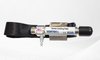
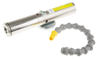
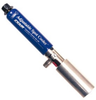
Linde‘s LINSPRAY® system maintains optimal temperature for various thermal spray applications using Carbon dioxide (CO2). Compressed air is used as a common cooling medium, but its limited cooling rate can force pauses in production, therefore creating bottlenecks and process inefficiencies. CO2 cooling can greatly reduce the cooling time, therefore also reducing fuel gas consumption, metal powder consumption, and cycle times. The CO2 can be supplied through a low pressure bulk system, or even by dewars or cylinders for smaller or sporadic applications.
Application Examples
Temperature-sensitiv
e substrate materials as CFK/titanium/aluminu
m/magnesium
Thin-walled components
Component with poor thermal conductivity
Oxide-sensitive spray materials
Differing heat expansion, which can cause the coating to flake off
High-energy spray processes, such as high velocity oxy-fuel flame spraying or plasma spraying, can add an extreme amount of heat to the base material. Problems can often occur when using temperature-sensitive coating materials or when coating substrates with thin walls or low thermal conductivity due to thermal effects such as surface deformation and warping. Cooling with carbon dioxide can therefore assist in maintaining product integrity and quality.
Linde‘s LINSPRAY® system maintains optimal temperature for various thermal spray applications using Carbon dioxide (CO2). Compressed air is used as a common cooling medium, but its limited cooling rate can force pauses in production, therefore creating bottlenecks and process inefficiencies. CO2 cooling can greatly reduce the cooling time, therefore also reducing fuel gas consumption, metal powder consumption, and cycle times. The CO2 can be supplied through a low pressure bulk system, or even by dewars or cylinders for smaller or sporadic applications.
Application Examples
- Temperature-sensitive substrate materials as CFK/titanium/aluminum/magnesium
- Thin-walled components
- Component with poor thermal conductivity
- Oxide-sensitive spray materials
- Differing heat expansion, which can cause the coating to flake off