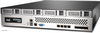
GL Communications, Inc. Network Surveillance System, NetsurveyorWeb™ PKV170

Description
The network backbone contains a wealth of information that can be monitored and collected to support diagnostic, troubleshooting, and fraud prevention activities. Surveillance of network characteristics is becoming more important than ever before. Few important aspects of network surveillance include, Performance Monitoring, Security, Fraud Prevention, Physical Layer monitoring, Billing Verification, Remote Protocol Analysis, Failure Prediction, Traffic Engineering, Call Quality Monitoring and Troubleshooting. GL’s Passive Network Monitoring and Diagnostic Systems support operators, and service providers to perform all the above functions. The network monitoring systems facilitate real-time analysis, historical storage, retrieval, querying, and display of Call Detail Records (CDRs) by non-intrusively connecting to TDM, Optical, or IP networks. Currently supported protocols include LTE, IMS, UMTS IuCS, UMTS IuPS, VoIP (SIP, SIGTRAN, H.323, MAP, CAP, MGCP, MEGACO), SS7, ISDN, CAS, TRAU and GSM. Typically, this requires protocol analysis probes for capturing physical layer, signalling call flows, and voice/data traffic, and a central system comprised of a database engine, web server, and NetSurveyorWeb™ (PKV170), a web-based application, to facilitate data storage and retrieval through web browser clients. GL also offers NetSurveyorWeb™ Lite (PKV169) a cost effective, Simple Plug & Play connection, which is an integrated and simplified web-based system that is distributed at probe level. GL provides a variety of solutions for network wide monitoring and surveillance solutions Few of them are outlined below IP Network Monitoring and Surveillance System (passive / non-intrusive) - SIP, RTP, H.323, SIGTRAN, MAP, CAP, INAP, MGCP, MEGACO Wireless Network Monitoring and Surveillance System (passive / non-intrusive) – LTE / VoLTE, Diameter, IMS, UMTS, and GSM TDM and Optical Network Monitoring and Surveillance System (passive / non-intrusive probes) - SS7, ISDN, CAS, GSM, TRAU Digital T1 / E1 Line Monitoring, Testing, and Diagnostic System Key Benefits of NetSurveyorWeb™ Ability to identify and analyze CDR using Key Performance Indicators (KPI’s) Ability to listen to the Voice calls Set alarm conditions and generate alerts of different types like email alert, visual alert, audible alert, or even log into tables for future analysis Reports are displayed both in tabular and graphical formats; customize reports and graphs based on SQL queries Graphs provided for Call Completion Ratio, Answer Call, Listening MOS, Conversational MOS, Failure Cause, and Call Duration Real-time data displays information such as called number, calling number, source & destination IP address, RTP packet details, call flow graph, frame decodes and more Apply single or multiple filters for data analysis; use logical operators between filters Ability to export both graphical and tabular reports view as PDF Ability to export the call detail records displayed based on time filter or record index as PDF and CSV. Typical Applications Comprehensive analysis from overall network health to detailed protocol monitoring Call Detail Records, fraud detection and location, remote protocol analysis and troubleshooting, real-time signaling monitor, traffic optimization engineering, and statistics. Determine actual call signaling routes to verify network functionality under all situations including congestion and loss of SS7 nodes. Revenue and billing verification, alarm monitoring, intrusive testing. Quality of service measurements, call trace and recording.
Description
The network backbone contains a wealth of information that can be monitored and collected to support diagnostic, troubleshooting, and fraud prevention activities. Surveillance of network characteristics is becoming more important than ever before. Few important aspects of network surveillance include, Performance Monitoring, Security, Fraud Prevention, Physical Layer monitoring, Billing Verification, Remote Protocol Analysis, Failure Prediction, Traffic Engineering, Call Quality Monitoring and Troubleshooting. GL’s Passive Network Monitoring and Diagnostic Systems support operators, and service providers to perform all the above functions. The network monitoring systems facilitate real-time analysis, historical storage, retrieval, querying, and display of Call Detail Records (CDRs) by non-intrusively connecting to TDM, Optical, or IP networks. Currently supported protocols include LTE, IMS, UMTS IuCS, UMTS IuPS, VoIP (SIP, SIGTRAN, H.323, MAP, CAP, MGCP, MEGACO), SS7, ISDN, CAS, TRAU and GSM. Typically, this requires protocol analysis probes for capturing physical layer, signalling call flows, and voice/data traffic, and a central system comprised of a database engine, web server, and NetSurveyorWeb™ (PKV170), a web-based application, to facilitate data storage and retrieval through web browser clients. GL also offers NetSurveyorWeb™ Lite (PKV169) a cost effective, Simple Plug & Play connection, which is an integrated and simplified web-based system that is distributed at probe level. GL provides a variety of solutions for network wide monitoring and surveillance solutions Few of them are outlined below IP Network Monitoring and Surveillance System (passive / non-intrusive) - SIP, RTP, H.323, SIGTRAN, MAP, CAP, INAP, MGCP, MEGACO Wireless Network Monitoring and Surveillance System (passive / non-intrusive) – LTE / VoLTE, Diameter, IMS, UMTS, and GSM TDM and Optical Network Monitoring and Surveillance System (passive / non-intrusive probes) - SS7, ISDN, CAS, GSM, TRAU Digital T1 / E1 Line Monitoring, Testing, and Diagnostic System Key Benefits of NetSurveyorWeb™ Ability to identify and analyze CDR using Key Performance Indicators (KPI’s) Ability to listen to the Voice calls Set alarm conditions and generate alerts of different types like email alert, visual alert, audible alert, or even log into tables for future analysis Reports are displayed both in tabular and graphical formats; customize reports and graphs based on SQL queries Graphs provided for Call Completion Ratio, Answer Call, Listening MOS, Conversational MOS, Failure Cause, and Call Duration Real-time data displays information such as called number, calling number, source & destination IP address, RTP packet details, call flow graph, frame decodes and more Apply single or multiple filters for data analysis; use logical operators between filters Ability to export both graphical and tabular reports view as PDF Ability to export the call detail records displayed based on time filter or record index as PDF and CSV. Typical Applications Comprehensive analysis from overall network health to detailed protocol monitoring Call Detail Records, fraud detection and location, remote protocol analysis and troubleshooting, real-time signaling monitor, traffic optimization engineering, and statistics. Determine actual call signaling routes to verify network functionality under all situations including congestion and loss of SS7 nodes. Revenue and billing verification, alarm monitoring, intrusive testing. Quality of service measurements, call trace and recording.
Datasheet
Datasheet Summary
Powered by GS/AI

NetSurveyorWeb (PKV170) is a centralized web-based network surveillance system designed for monitoring voice and data traffic across various network types, including wireless, IP, and TDM. It operates in conjunction with GL's PacketScan HD, capturing high-speed traffic and sending data to a centralized database for analysis. The system supports real-time analysis, storage, retrieval, and display of Call Detail Records (CDRs) from multiple geographic locations, utilizing protocol analysis probes to non-intrusively connect to networks. The software supports a wide range of protocols, including LTE, VoIP, SS7, ISDN, and GSM, allowing for comprehensive monitoring and troubleshooting capabilities. Key features include customizable call detail record views, real-time and historical data access via web browsers, and the ability to generate alerts based on specific conditions. Users can filter and search calls of interest, analyze key performance indicators, and export data in various formats. NetSurveyorWeb is suitable for applications such as network health analysis, fraud detection, quality of service measurements, and billing verification. Its architecture consists of a three-tier system, ensuring efficient data handling and user access. This product is ideal for engineers and cybersecurity professionals seeking a robust solution for network surveillance and analysis.

Datasheet Summary
Powered by GS/AI

NetSurveyorWeb (PKV170) is a centralized web-based network surveillance system designed for monitoring voice and data traffic across various network types, including wireless, IP, and TDM. It operates in conjunction with GL's PacketScan HD, capturing high-speed traffic and sending data to a centralized database for analysis. The system supports real-time analysis, storage, retrieval, and display of Call Detail Records (CDRs) from multiple geographic locations, utilizing protocol analysis probes to non-intrusively connect to networks. The software supports a wide range of protocols, including LTE, VoIP, SS7, ISDN, and GSM, allowing for comprehensive monitoring and troubleshooting capabilities. Key features include customizable call detail record views, real-time and historical data access via web browsers, and the ability to generate alerts based on specific conditions. Users can filter and search calls of interest, analyze key performance indicators, and export data in various formats. NetSurveyorWeb is suitable for applications such as network health analysis, fraud detection, quality of service measurements, and billing verification. Its architecture consists of a three-tier system, ensuring efficient data handling and user access. This product is ideal for engineers and cybersecurity professionals seeking a robust solution for network surveillance and analysis.

Suppliers

Company
Product
Description
Supplier Links
Network Surveillance System, NetsurveyorWeb™ - PKV170 - GL Communications, Inc.
Gaithersburg, MD, United States
Network Surveillance System, NetsurveyorWeb™
PKV170
Network Surveillance System, NetsurveyorWeb™ PKV170
The network backbone contains a wealth of information that can be monitored and collected to support diagnostic, troubleshooting, and fraud prevention activities. Surveillance of network characteristics is becoming more important than ever before. Few important aspects of network surveillance include, Performance Monitoring, Security, Fraud Prevention, Physical Layer monitoring, Billing Verification, Remote Protocol Analysis, Failure Prediction, Traffic Engineering, Call Quality Monitoring and Troubleshooting. GL’s Passive Network Monitoring and Diagnostic Systems support operators, and service providers to perform all the above functions. The network monitoring systems facilitate real-time analysis, historical storage, retrieval, querying, and display of Call Detail Records (CDRs) by non-intrusively connecting to TDM, Optical, or IP networks. Currently supported protocols include LTE, IMS, UMTS IuCS, UMTS IuPS, VoIP (SIP, SIGTRAN, H.323, MAP, CAP, MGCP, MEGACO), SS7, ISDN, CAS, TRAU and GSM. Typically, this requires protocol analysis probes for capturing physical layer, signalling call flows, and voice/data traffic, and a central system comprised of a database engine, web server, and NetSurveyorWeb™ (PKV170), a web-based application, to facilitate data storage and retrieval through web browser clients. GL also offers NetSurveyorWeb™ Lite (PKV169) a cost effective, Simple Plug & Play connection, which is an integrated and simplified web-based system that is distributed at probe level. GL provides a variety of solutions for network wide monitoring and surveillance solutions Few of them are outlined below IP Network Monitoring and Surveillance System (passive / non-intrusive) - SIP, RTP, H.323, SIGTRAN, MAP, CAP, INAP, MGCP, MEGACO Wireless Network Monitoring and Surveillance System (passive / non-intrusive) – LTE / VoLTE, Diameter, IMS, UMTS, and GSM TDM and Optical Network Monitoring and Surveillance System (passive / non-intrusive probes) - SS7, ISDN, CAS, GSM, TRAU Digital T1 / E1 Line Monitoring, Testing, and Diagnostic System Key Benefits of NetSurveyorWeb™ Ability to identify and analyze CDR using Key Performance Indicators (KPI’s) Ability to listen to the Voice calls Set alarm conditions and generate alerts of different types like email alert, visual alert, audible alert, or even log into tables for future analysis Reports are displayed both in tabular and graphical formats; customize reports and graphs based on SQL queries Graphs provided for Call Completion Ratio, Answer Call, Listening MOS, Conversational MOS, Failure Cause, and Call Duration Real-time data displays information such as called number, calling number, source & destination IP address, RTP packet details, call flow graph, frame decodes and more Apply single or multiple filters for data analysis; use logical operators between filters Ability to export both graphical and tabular reports view as PDF Ability to export the call detail records displayed based on time filter or record index as PDF and CSV. Typical Applications Comprehensive analysis from overall network health to detailed protocol monitoring Call Detail Records, fraud detection and location, remote protocol analysis and troubleshooting, real-time signaling monitor, traffic optimization engineering, and statistics. Determine actual call signaling routes to verify network functionality under all situations including congestion and loss of SS7 nodes. Revenue and billing verification, alarm monitoring, intrusive testing. Quality of service measurements, call trace and recording.

The network backbone contains a wealth of information that can be monitored and collected to support diagnostic, troubleshooting, and fraud prevention activities. Surveillance of network characteristics is becoming more important than ever before. Few important aspects of network surveillance include, Performance Monitoring, Security, Fraud Prevention, Physical Layer monitoring, Billing Verification, Remote Protocol Analysis, Failure Prediction, Traffic Engineering, Call Quality Monitoring and Troubleshooting.

GL’s Passive Network Monitoring and Diagnostic Systems support operators, and service providers to perform all the above functions. The network monitoring systems facilitate real-time analysis, historical storage, retrieval, querying, and display of Call Detail Records (CDRs) by non-intrusively connecting to TDM, Optical, or IP networks. Currently supported protocols include LTE, IMS, UMTS IuCS, UMTS IuPS, VoIP (SIP, SIGTRAN, H.323, MAP, CAP, MGCP, MEGACO), SS7, ISDN, CAS, TRAU and GSM.

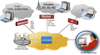
Typically, this requires protocol analysis probes for capturing physical layer, signalling call flows, and voice/data traffic, and a central system comprised of a database engine, web server, and NetSurveyorWeb™ (PKV170), a web-based application, to facilitate data storage and retrieval through web browser clients.

GL also offers NetSurveyorWeb™ Lite (PKV169) a cost effective, Simple Plug & Play connection, which is an integrated and simplified web-based system that is distributed at probe level.

GL provides a variety of solutions for network wide monitoring and surveillance solutions Few of them are outlined below

  • IP Network Monitoring and Surveillance System (passive / non-intrusive) - SIP, RTP, H.323, SIGTRAN, MAP, CAP, INAP, MGCP, MEGACO
  • Wireless Network Monitoring and Surveillance System (passive / non-intrusive) – LTE / VoLTE, Diameter, IMS, UMTS, and GSM
  • TDM and Optical Network Monitoring and Surveillance System (passive / non-intrusive probes) - SS7, ISDN, CAS, GSM, TRAU
  • Digital T1 / E1 Line Monitoring, Testing, and Diagnostic System

Key Benefits of NetSurveyorWeb™

  • Ability to identify and analyze CDR using Key Performance Indicators (KPI’s)
  • Ability to listen to the Voice calls
  • Set alarm conditions and generate alerts of different types like email alert, visual alert, audible alert, or even log into tables for future analysis
  • Reports are displayed both in tabular and graphical formats; customize reports and graphs based on SQL queries
  • Graphs provided for Call Completion Ratio, Answer Call, Listening MOS, Conversational MOS, Failure Cause, and Call Duration
  • Real-time data displays information such as called number, calling number, source & destination IP address, RTP packet details, call flow graph, frame decodes and more
  • Apply single or multiple filters for data analysis; use logical operators between filters
  • Ability to export both graphical and tabular reports view as PDF
  • Ability to export the call detail records displayed based on time filter or record index as PDF and CSV.

Typical Applications

  • Comprehensive analysis from overall network health to detailed protocol monitoring
  • Call Detail Records, fraud detection and location, remote protocol analysis and troubleshooting, real-time signaling monitor, traffic optimization engineering, and statistics.
  • Determine actual call signaling routes to verify network functionality under all situations including congestion and loss of SS7 nodes.
  • Revenue and billing verification, alarm monitoring, intrusive testing.
  • Quality of service measurements, call trace and recording.

Supplier's Site Datasheet

Technical Specifications

  GL Communications, Inc.
Product Category Network Security Platforms
Product Number PKV170
Product Name Network Surveillance System, NetsurveyorWeb™
Unlock Full Specs
to access all available technical data

Similar Products