Electro Optical Components, Inc. Hydrogen Sensor FC8020

Description
Electro Optical Components offers state of the art hydrogen sensor products. The technology uses a patented nano thin-film technology (palladium alloy) with key advantages in hydrogen sensing. The sensor technology uses a thin film palladium alloy that absorbs and desorbs hydrogen as it comes in contact with the sensing device. Hydrogen is measured specifically by a change in bulk resistance as a function of concentration. The sensors utilize catalytic thin film resistors made from a Pd / Cr alloy to measure hydrogen. The resistance of Pd film increases monotonically when exposed to hydrogen. The system measures these changes and displays the hydrogen concentration. The sensor chip also include a micro-thermometer and micro-heater for maintaining constant chip temperature. This elevated, controlled temperature assures that sensor operation is unaffected by ambient or process gas temperature. No other reference gases or environmental controls are necessary during measurements. These hydrogen sensor products use a proprietary composite coating that inhibits penetration of most contaminant gas species from poisoning the sensor surface. The proprietary coating preferentially allows hydrogen to pass through and blocks larger molecules such as hydrogen sulfide (H2S), carbon monoxide (CO), carbon dioxide (CO2), methane (CH4), ammonia (NH3), halogens like chlorine (Cl2), and nitrous oxides (NO, NO2). Compared with other technology used in hydrogen sensors, this technology has the following advantages: No interference by other gas, only responds to hydrogen. No oxygen is needed during use. It works in harsh environments and sealed systems. No consumable material is needed, giving it a long life span (10 years) and easy to maintain. Precise & reliable result, high accuracy – ±0.5% ~ ±5% F.S Faster response time – T90 < 60s Good for a variety of conditions; Working temperature -20~+100° and Humidity up to 95%RH Applications for these hydrogen sensor products include industries such as: Hydrogen gas production & storage Oil and gas industry, process analysis Chemistry industry, process analysis Fuel cell production and use Nuclear power plant monitoring Power generator and transformer online health monitoring
Request a Quote
Description
Electro Optical Components offers state of the art hydrogen sensor products. The technology uses a patented nano thin-film technology (palladium alloy) with key advantages in hydrogen sensing. The sensor technology uses a thin film palladium alloy that absorbs and desorbs hydrogen as it comes in contact with the sensing device. Hydrogen is measured specifically by a change in bulk resistance as a function of concentration. The sensors utilize catalytic thin film resistors made from a Pd / Cr alloy to measure hydrogen. The resistance of Pd film increases monotonically when exposed to hydrogen. The system measures these changes and displays the hydrogen concentration. The sensor chip also include a micro-thermometer and micro-heater for maintaining constant chip temperature. This elevated, controlled temperature assures that sensor operation is unaffected by ambient or process gas temperature. No other reference gases or environmental controls are necessary during measurements. These hydrogen sensor products use a proprietary composite coating that inhibits penetration of most contaminant gas species from poisoning the sensor surface. The proprietary coating preferentially allows hydrogen to pass through and blocks larger molecules such as hydrogen sulfide (H2S), carbon monoxide (CO), carbon dioxide (CO2), methane (CH4), ammonia (NH3), halogens like chlorine (Cl2), and nitrous oxides (NO, NO2). Compared with other technology used in hydrogen sensors, this technology has the following advantages: No interference by other gas, only responds to hydrogen. No oxygen is needed during use. It works in harsh environments and sealed systems. No consumable material is needed, giving it a long life span (10 years) and easy to maintain. Precise & reliable result, high accuracy – ±0.5% ~ ±5% F.S Faster response time – T90 < 60s Good for a variety of conditions; Working temperature -20~+100° and Humidity up to 95%RH Applications for these hydrogen sensor products include industries such as: Hydrogen gas production & storage Oil and gas industry, process analysis Chemistry industry, process analysis Fuel cell production and use Nuclear power plant monitoring Power generator and transformer online health monitoring
Request a Quote

Suppliers

Company
Product
Description
Supplier Links
Hydrogen Sensor - FC8020 - Electro Optical Components, Inc.
Santa Rosa, CA, USA
Hydrogen Sensor
FC8020
Hydrogen Sensor FC8020
Electro Optical Components offers state of the art hydrogen sensor products. The technology uses a patented nano thin-film technology (palladium alloy) with key advantages in hydrogen sensing. The sensor technology uses a thin film palladium alloy that absorbs and desorbs hydrogen as it comes in contact with the sensing device. Hydrogen is measured specifically by a change in bulk resistance as a function of concentration. The sensors utilize catalytic thin film resistors made from a Pd / Cr alloy to measure hydrogen. The resistance of Pd film increases monotonically when exposed to hydrogen. The system measures these changes and displays the hydrogen concentration. The sensor chip also include a micro-thermometer and micro-heater for maintaining constant chip temperature. This elevated, controlled temperature assures that sensor operation is unaffected by ambient or process gas temperature. No other reference gases or environmental controls are necessary during measurements. These hydrogen sensor products use a proprietary composite coating that inhibits penetration of most contaminant gas species from poisoning the sensor surface. The proprietary coating preferentially allows hydrogen to pass through and blocks larger molecules such as hydrogen sulfide (H2S), carbon monoxide (CO), carbon dioxide (CO2), methane (CH4), ammonia (NH3), halogens like chlorine (Cl2), and nitrous oxides (NO, NO2). Compared with other technology used in hydrogen sensors, this technology has the following advantages: No interference by other gas, only responds to hydrogen. No oxygen is needed during use. It works in harsh environments and sealed systems. No consumable material is needed, giving it a long life span (10 years) and easy to maintain. Precise & reliable result, high accuracy – ±0.5% ~ ±5% F.S Faster response time – T90 < 60s Good for a variety of conditions; Working temperature -20~+100° and Humidity up to 95%RH Applications for these hydrogen sensor products include industries such as: Hydrogen gas production & storage Oil and gas industry, process analysis Chemistry industry, process analysis Fuel cell production and use Nuclear power plant monitoring Power generator and transformer online health monitoring
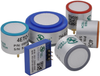
Electro Optical Components offers state of the art hydrogen sensor products. The technology uses a patented nano thin-film technology (palladium alloy) with key advantages in hydrogen sensing. The sensor technology uses a thin film palladium alloy that absorbs and desorbs hydrogen as it comes in contact with the sensing device. Hydrogen is measured specifically by a change in bulk resistance as a function of concentration.

The sensors utilize catalytic thin film resistors made from a Pd / Cr alloy to measure hydrogen. The resistance of Pd film increases monotonically when exposed to hydrogen. The system measures these changes and displays the hydrogen concentration. The sensor chip also include a micro-thermometer and micro-heater for maintaining constant chip temperature. This elevated, controlled temperature assures that sensor operation is unaffected by ambient or process gas temperature. No other reference gases or environmental controls are necessary during measurements.

These hydrogen sensor products use a proprietary composite coating that inhibits penetration of most contaminant gas species from poisoning the sensor surface. The proprietary coating preferentially allows hydrogen to pass through and blocks larger molecules such as hydrogen sulfide (H2S), carbon monoxide (CO), carbon dioxide (CO2), methane (CH4), ammonia (NH3), halogens like chlorine (Cl2), and nitrous oxides (NO, NO2).

Compared with other technology used in hydrogen sensors, this technology has the following advantages:

  • No interference by other gas, only responds to hydrogen.
  • No oxygen is needed during use. It works in harsh environments and sealed systems.
  • No consumable material is needed, giving it a long life span (10 years) and easy to maintain.
  • Precise & reliable result, high accuracy – ±0.5% ~ ±5% F.S
  • Faster response time – T90 < 60s
  • Good for a variety of conditions; Working temperature -20~+100° and Humidity up to 95%RH

Applications for these hydrogen sensor products include industries such as:

  • Hydrogen gas production & storage
  • Oil and gas industry, process analysis
  • Chemistry industry, process analysis
  • Fuel cell production and use
  • Nuclear power plant monitoring
  • Power generator and transformer online health monitoring

Supplier's Site

Technical Specifications

  Electro Optical Components, Inc.
Product Category Gas Sensors
Product Number FC8020
Product Name Hydrogen Sensor
Sensor Technology Utilize Catalytic Thin Film Resistors Made from a Pd / Cr Alloy
Unlock Full Specs
to access all available technical data

Similar Products

Electrochemical Sensor, 7 Series - 7O3-20 - Electro Optical Components, Inc.
Electro Optical Components, Inc.
Specs
Sensor Technology Electrochemical
Measurement Type Trace
Gas Types O3; (0-20 ppm)
View Details
Electrochemical Gas Sensor, 4 Series - 4H2S-100 - Electro Optical Components, Inc.
Electro Optical Components, Inc.
Specs
Sensor Technology Electrochemical
Measurement Type Trace
Gas Types H2S; (0-100 ppm)
View Details
Hydrogen Sensor - HSM4000 - Electro Optical Components, Inc.
Electro Optical Components, Inc.
Specs
Sensor Technology Utilize Catalytic Thin Film Resistors Made from a Pd / Cr Alloy
Measurement Type %Volume
Gas Types H2; (0.4~5%VOL)
View Details
Compact NDIR Gas Sensor Module - F3-222207 - Electro Optical Components, Inc.
Electro Optical Components, Inc.
Specs
Sensor Technology Infrared
Measurement Type %Volume
Gas Types CO; (0-200-%)
View Details