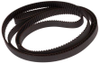
ContiTech Roulunds Rubber A/S Automotive Aftermarket Belts RO-DRIVE™ Timing Belts

Description
RO-DRIVE™ is our range of positive-drive automotive belts. These timing belts combine exceptionally high tensile strength with reliable, sustained trasnmission of extremely high torque levels. Available in three different basic profiles (trapezoidal, HTD, STD), they allow for synchronous power transmission. They ensure dependable, quiet operation and are maintenance-free. These belts are suitable for driving cramshafts, injection pumps and balancer shafts in car engines. Timing Belts and Timing Belt Kits With timing belts from Roulunds Rubber, you are opting for a first-rate product in original equipment quality. To ensure this quality standard for our kits as well, we use strictly guide, tensioner and idler pulleys from leading original equipment suppliers. These drive component parts guaranty the correct tensioning, guidance and power transmission of timing belts. RO-DRIVE™ a) Backside of belt b) Tension members c) Fabric d) Teeth Design and Functions Timing Belts A timing belt is made of synthetic rubber. Reinforcing fiberglass cords run the length of the belt as its tension member. The belt back is also partially reinforced by polyamide fabric. A temperature-resistan t intermediate layer allows the materials to work well together. The teeth are also reinforced with polyamide to protect them from wear. Since the timing belt requires no lubrication, its operating area does not have to be sealed from the outside. Here, a simple plastic cover is sufficient protection against contamination with dirt and foreign matter. The timing belt controls the precision of the combustion process in the engine: It drives the camshaft, which in turn controls the valves. Its function is particularly important, because if the belt tears or even just jumps a couple of teeth then the valves and pistons in the engine could collide with enormous force. The result is a damaged engine. Often, the timing belt also performs additional tasks such as driving the injection pump, the water pump or the balancer shaft. Pulleys Tension and idler pulleys consist of a steel or plastic hub into which a single or double row of ball bearings has been pressed. They may have a smooth or a profiled belt side surface. After the pulley has been fastened, a protective plastic cap is snapped on. Specially formed steel caps can also be used to protect the idler pulley bearing. They are screwed to the idler pulley. Tension pulleys transfer the force from the belt tensioner to the belt and keep the belt tension constant. Idler pulleys are used to change the path of the belt in order to drive the accessories, or are used as dampers to control belt vibration in a long belt span. Properties of Timing Belts Designed for the camshaft drive in cars Oil-resistant temperature-stable tropacalized Properties of Timing Belts Kits Complete kits with optimally matched drive components for cars Tensioner and idler pulleys included Need to order belts and parts separately is eliminated Exact match-up automatically provided Reduced administrative expense for ordering, stocking and billing
Description
RO-DRIVE™ is our range of positive-drive automotive belts. These timing belts combine exceptionally high tensile strength with reliable, sustained trasnmission of extremely high torque levels. Available in three different basic profiles (trapezoidal, HTD, STD), they allow for synchronous power transmission. They ensure dependable, quiet operation and are maintenance-free. These belts are suitable for driving cramshafts, injection pumps and balancer shafts in car engines. Timing Belts and Timing Belt Kits With timing belts from Roulunds Rubber, you are opting for a first-rate product in original equipment quality. To ensure this quality standard for our kits as well, we use strictly guide, tensioner and idler pulleys from leading original equipment suppliers. These drive component parts guaranty the correct tensioning, guidance and power transmission of timing belts. RO-DRIVE™ a) Backside of belt b) Tension members c) Fabric d) Teeth Design and Functions Timing Belts A timing belt is made of synthetic rubber. Reinforcing fiberglass cords run the length of the belt as its tension member. The belt back is also partially reinforced by polyamide fabric. A temperature-resistan t intermediate layer allows the materials to work well together. The teeth are also reinforced with polyamide to protect them from wear. Since the timing belt requires no lubrication, its operating area does not have to be sealed from the outside. Here, a simple plastic cover is sufficient protection against contamination with dirt and foreign matter. The timing belt controls the precision of the combustion process in the engine: It drives the camshaft, which in turn controls the valves. Its function is particularly important, because if the belt tears or even just jumps a couple of teeth then the valves and pistons in the engine could collide with enormous force. The result is a damaged engine. Often, the timing belt also performs additional tasks such as driving the injection pump, the water pump or the balancer shaft. Pulleys Tension and idler pulleys consist of a steel or plastic hub into which a single or double row of ball bearings has been pressed. They may have a smooth or a profiled belt side surface. After the pulley has been fastened, a protective plastic cap is snapped on. Specially formed steel caps can also be used to protect the idler pulley bearing. They are screwed to the idler pulley. Tension pulleys transfer the force from the belt tensioner to the belt and keep the belt tension constant. Idler pulleys are used to change the path of the belt in order to drive the accessories, or are used as dampers to control belt vibration in a long belt span. Properties of Timing Belts Designed for the camshaft drive in cars Oil-resistant temperature-stable tropacalized Properties of Timing Belts Kits Complete kits with optimally matched drive components for cars Tensioner and idler pulleys included Need to order belts and parts separately is eliminated Exact match-up automatically provided Reduced administrative expense for ordering, stocking and billing

Suppliers

Company
Product
Description
Supplier Links
Automotive Aftermarket Belts - RO-DRIVE™ Timing Belts - ContiTech Roulunds Rubber A/S
Ronchi di Villafranca, Padovana, Italy
Automotive Aftermarket Belts
RO-DRIVE™ Timing Belts
Automotive Aftermarket Belts RO-DRIVE™ Timing Belts
RO-DRIVE™ is our range of positive-drive automotive belts. These timing belts combine exceptionally high tensile strength with reliable, sustained trasnmission of extremely high torque levels. Available in three different basic profiles (trapezoidal, HTD, STD), they allow for synchronous power transmission. They ensure dependable, quiet operation and are maintenance-free. These belts are suitable for driving cramshafts, injection pumps and balancer shafts in car engines. Timing Belts and Timing Belt Kits With timing belts from Roulunds Rubber, you are opting for a first-rate product in original equipment quality. To ensure this quality standard for our kits as well, we use strictly guide, tensioner and idler pulleys from leading original equipment suppliers. These drive component parts guaranty the correct tensioning, guidance and power transmission of timing belts. RO-DRIVE™ a) Backside of belt b) Tension members c) Fabric d) Teeth Design and Functions Timing Belts A timing belt is made of synthetic rubber. Reinforcing fiberglass cords run the length of the belt as its tension member. The belt back is also partially reinforced by polyamide fabric. A temperature-resistan t intermediate layer allows the materials to work well together. The teeth are also reinforced with polyamide to protect them from wear. Since the timing belt requires no lubrication, its operating area does not have to be sealed from the outside. Here, a simple plastic cover is sufficient protection against contamination with dirt and foreign matter. The timing belt controls the precision of the combustion process in the engine: It drives the camshaft, which in turn controls the valves. Its function is particularly important, because if the belt tears or even just jumps a couple of teeth then the valves and pistons in the engine could collide with enormous force. The result is a damaged engine. Often, the timing belt also performs additional tasks such as driving the injection pump, the water pump or the balancer shaft. Pulleys Tension and idler pulleys consist of a steel or plastic hub into which a single or double row of ball bearings has been pressed. They may have a smooth or a profiled belt side surface. After the pulley has been fastened, a protective plastic cap is snapped on. Specially formed steel caps can also be used to protect the idler pulley bearing. They are screwed to the idler pulley. Tension pulleys transfer the force from the belt tensioner to the belt and keep the belt tension constant. Idler pulleys are used to change the path of the belt in order to drive the accessories, or are used as dampers to control belt vibration in a long belt span. Properties of Timing Belts Designed for the camshaft drive in cars Oil-resistant temperature-stable tropacalized Properties of Timing Belts Kits Complete kits with optimally matched drive components for cars Tensioner and idler pulleys included Need to order belts and parts separately is eliminated Exact match-up automatically provided Reduced administrative expense for ordering, stocking and billing
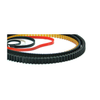
RO-DRIVE™ is our range of positive-drive automotive belts. These timing belts combine exceptionally high tensile strength with reliable, sustained trasnmission of extremely high torque levels. Available in three different basic profiles (trapezoidal, HTD, STD), they allow for synchronous power transmission. They ensure dependable, quiet operation and are maintenance-free. These belts are suitable for driving cramshafts, injection pumps and balancer shafts in car engines.
Timing Belts and Timing Belt Kits With timing belts from Roulunds Rubber, you are opting for a first-rate product in original equipment quality. To ensure this quality standard for our kits as well, we use strictly guide, tensioner and idler pulleys from leading original equipment suppliers. These drive component parts guaranty the correct tensioning, guidance and power transmission of timing belts.
RO-DRIVE™
a) Backside of belt
b) Tension members
c) Fabric
d) Teeth
Design and Functions Timing Belts
A timing belt is made of synthetic rubber. Reinforcing fiberglass cords run the length of the belt as its tension member. The belt back is also partially reinforced by polyamide fabric. A temperature-resistant intermediate layer allows the materials to work well together. The teeth are also reinforced with polyamide to protect them from wear. Since the timing belt requires no lubrication, its operating area does not have to be sealed from the outside. Here, a simple plastic cover is sufficient protection against contamination with dirt and foreign matter.
The timing belt controls the precision of the combustion process in the engine: It drives the camshaft, which in turn controls the valves. Its function is particularly important, because if the belt tears or even just jumps a couple of teeth then the valves and pistons in the engine could collide with enormous force. The result is a damaged engine. Often, the timing belt also performs additional tasks such as driving the injection pump, the water pump or the balancer shaft.
Pulleys
Tension and idler pulleys consist of a steel or plastic hub into which a single or double row of ball bearings has been pressed. They may have a smooth or a profiled belt side surface. After the pulley has been fastened, a protective plastic cap is snapped on. Specially formed steel caps can also be used to protect the idler pulley bearing. They are screwed to the idler pulley.
Tension pulleys transfer the force from the belt tensioner to the belt and keep the belt tension constant. Idler pulleys are used to change the path of the belt in order to drive the accessories, or are used as dampers to control belt vibration in a long belt span.
Properties of Timing Belts

  • Designed for the camshaft drive in cars
  • Oil-resistant
  • temperature-stable
  • tropacalized

Properties of Timing Belts Kits

  • Complete kits with optimally matched drive components for cars
  • Tensioner and idler pulleys included
  • Need to order belts and parts separately is eliminated
  • Exact match-up automatically provided
  • Reduced administrative expense for ordering, stocking and billing
Supplier's Site

Technical Specifications

  ContiTech Roulunds Rubber A/S
Product Category Timing Belts (metric)
Product Number RO-DRIVE™ Timing Belts
Product Name Automotive Aftermarket Belts
Belt Material Rubber
Unlock Full Specs
to access all available technical data

Similar Products

Automotive Rubber Timing Belt -  - Hangzhou Chinabase Machinery Co., Ltd.
Hangzhou Chinabase Machinery Co., Ltd.
Specs
Metric Pitch 8, 9.525
Belt Material Rubber
View Details
2 mm (GT3) Pitch, 206 Teeth, 3mm wide Single Sided Neoprene Belt with Fiberglass Cords - A36R51M206030 - Stock Drive Products & Sterling Instrument - SDP/SI
Specs
Metric Pitch GT 2mm
Belt Width 3 mm (0.1181 inch)
Belt Material Neoprene
View Details
Timing Belts - 1755231 - RS Components, Ltd.
RS Components, Ltd.
Specs
Metric Pitch 8mm
Belt Width 20 mm (0.7874 inch)
Belt Length 640 mm (25.2 inch)
View Details
 - CONTI® SYNCHRORIB - ContiTech AG
Specs
Metric Pitch HTD 8mm (optional feature)
View Details