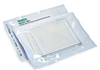
Bio-Rad Laboratories, Inc. Ready Gel Tris-HCl Gel 161-1213

Description
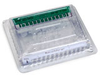
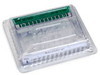
Pkg of 1, 5% precast polyacrylamide gel, 10-well, 50 µl, 8.6 x 6.8 cm (W x L), for use with Mini-PROTEAN electrophoresis cells SDS-PAGE is the most common protein electrophoresis application. It separates complex protein mixtures by size, allowing estimation of the molecular weight of sample proteins. Bio-Rad Tris-HCl gels are made without SDS. SDS is added to the sample and running buffer to create standard SDS denaturing electrophoresis conditions. The gels can be used to run proteins under nondenaturing conditions for subsequent analysis of their native conformation and activity by omitting SDS from the running buffer. Native analysis does not provide accurate molecular weight information. Ready Gel® precast gels are designed for the traditional 8 x 10 cm mini vertical format. Proteins and nucleic acids can be separated by electrophoresis on Ready Gel precast gels using the Mini-PROTEAN® Tetra electrophoresis cell (1–4 gels) or, for high-throughput applications, the Mini-PROTEAN® 3 Dodeca™ cell (1–12 gels). Gel Selection Use the Migration Pattern Chart to select a gel percentage that will provide optimal resolution of your sample. On single-percentage gels, optimal separation occurs in the lower half of the gel. Gradient gels optimize separation along the entire length of the gel. When selecting a single-percentage gel, choose the percentage in which your sample's proteins of interest will migrate to the lower half of the gel. In general, single-percentage gels will best separate bands that are close in molecular weight. If your sample contains a broad range of molecular weights, a gradient gel allows both high and low molecular weight bands to be resolved on the same gel. Molecules with a range of sizes can be separated on linear gradient gels because the larger pore sizes allow resolution of larger molecules, while pore sizes that decrease toward the bottom of the gel restrict excessive separation of small molecules.
Description
Pkg of 1, 5% precast polyacrylamide gel, 10-well, 50 µl, 8.6 x 6.8 cm (W x L), for use with Mini-PROTEAN electrophoresis cells SDS-PAGE is the most common protein electrophoresis application. It separates complex protein mixtures by size, allowing estimation of the molecular weight of sample proteins. Bio-Rad Tris-HCl gels are made without SDS. SDS is added to the sample and running buffer to create standard SDS denaturing electrophoresis conditions. The gels can be used to run proteins under nondenaturing conditions for subsequent analysis of their native conformation and activity by omitting SDS from the running buffer. Native analysis does not provide accurate molecular weight information. Ready Gel® precast gels are designed for the traditional 8 x 10 cm mini vertical format. Proteins and nucleic acids can be separated by electrophoresis on Ready Gel precast gels using the Mini-PROTEAN® Tetra electrophoresis cell (1–4 gels) or, for high-throughput applications, the Mini-PROTEAN® 3 Dodeca™ cell (1–12 gels). Gel Selection Use the Migration Pattern Chart to select a gel percentage that will provide optimal resolution of your sample. On single-percentage gels, optimal separation occurs in the lower half of the gel. Gradient gels optimize separation along the entire length of the gel. When selecting a single-percentage gel, choose the percentage in which your sample's proteins of interest will migrate to the lower half of the gel. In general, single-percentage gels will best separate bands that are close in molecular weight. If your sample contains a broad range of molecular weights, a gradient gel allows both high and low molecular weight bands to be resolved on the same gel. Molecules with a range of sizes can be separated on linear gradient gels because the larger pore sizes allow resolution of larger molecules, while pore sizes that decrease toward the bottom of the gel restrict excessive separation of small molecules.

Suppliers

Company
Product
Description
Supplier Links
Ready Gel Tris-HCl Gel - 161-1213 - Bio-Rad Laboratories, Inc.
Hercules, CA, USA
Ready Gel Tris-HCl Gel
161-1213
Ready Gel Tris-HCl Gel 161-1213
Pkg of 1, 5% precast polyacrylamide gel, 10-well, 50 µl, 8.6 x 6.8 cm (W x L), for use with Mini-PROTEAN electrophoresis cells SDS-PAGE is the most common protein electrophoresis application. It separates complex protein mixtures by size, allowing estimation of the molecular weight of sample proteins. Bio-Rad Tris-HCl gels are made without SDS. SDS is added to the sample and running buffer to create standard SDS denaturing electrophoresis conditions. The gels can be used to run proteins under nondenaturing conditions for subsequent analysis of their native conformation and activity by omitting SDS from the running buffer. Native analysis does not provide accurate molecular weight information. Ready Gel® precast gels are designed for the traditional 8 x 10 cm mini vertical format. Proteins and nucleic acids can be separated by electrophoresis on Ready Gel precast gels using the Mini-PROTEAN® Tetra electrophoresis cell (1–4 gels) or, for high-throughput applications, the Mini-PROTEAN® 3 Dodeca™ cell (1–12 gels). Gel Selection Use the Migration Pattern Chart to select a gel percentage that will provide optimal resolution of your sample. On single-percentage gels, optimal separation occurs in the lower half of the gel. Gradient gels optimize separation along the entire length of the gel. When selecting a single-percentage gel, choose the percentage in which your sample's proteins of interest will migrate to the lower half of the gel. In general, single-percentage gels will best separate bands that are close in molecular weight. If your sample contains a broad range of molecular weights, a gradient gel allows both high and low molecular weight bands to be resolved on the same gel. Molecules with a range of sizes can be separated on linear gradient gels because the larger pore sizes allow resolution of larger molecules, while pore sizes that decrease toward the bottom of the gel restrict excessive separation of small molecules.

Pkg of 1, 5% precast polyacrylamide gel, 10-well, 50 µl, 8.6 x 6.8 cm (W x L), for use with Mini-PROTEAN electrophoresis cells

SDS-PAGE is the most common protein electrophoresis application. It separates complex protein mixtures by size, allowing estimation of the molecular weight of sample proteins. Bio-Rad Tris-HCl gels are made without SDS. SDS is added to the sample and running buffer to create standard SDS denaturing electrophoresis conditions. The gels can be used to run proteins under nondenaturing conditions for subsequent analysis of their native conformation and activity by omitting SDS from the running buffer. Native analysis does not provide accurate molecular weight information.

Ready Gel® precast gels are designed for the traditional 8 x 10 cm mini vertical format. Proteins and nucleic acids can be separated by electrophoresis on Ready Gel precast gels using the Mini-PROTEAN® Tetra electrophoresis cell (1–4 gels) or, for high-throughput applications, the Mini-PROTEAN® 3 Dodeca™ cell (1–12 gels).

Gel Selection
Use the Migration Pattern Chart to select a gel percentage that will provide optimal resolution of your sample.

On single-percentage gels, optimal separation occurs in the lower half of the gel. Gradient gels optimize separation along the entire length of the gel. When selecting a single-percentage gel, choose the percentage in which your sample's proteins of interest will migrate to the lower half of the gel.

In general, single-percentage gels will best separate bands that are close in molecular weight. If your sample contains a broad range of molecular weights, a gradient gel allows both high and low molecular weight bands to be resolved on the same gel. Molecules with a range of sizes can be separated on linear gradient gels because the larger pore sizes allow resolution of larger molecules, while pore sizes that decrease toward the bottom of the gel restrict excessive separation of small molecules.

Supplier's Site

Technical Specifications

  Bio-Rad Laboratories, Inc.
Product Category Gel Electrophoresis Equipment
Product Number 161-1213
Product Name Ready Gel Tris-HCl Gel
Unlock Full Specs
to access all available technical data

Similar Products