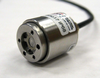
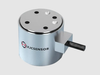
The ATI Multi-Axis Force/Torque Sensor system measures all six components of force and torque. The system consists of a transducer, shielded high-flex cable, and intelligent data acquisition system, Ethernet/DeviceNet interface or F/T controller. Force/Torque sensors are used throughout industry for product testing, robotic assembly, grinding and polishing. In research, our sensors are used in robotic surgery, haptics, rehabilitation, neurology and many others applications. Contact ATI for more information.
Our Smallest 6-axis Sensor: Now Available with Protection Against Water Spray or Submersion to 4m.
Extremely High Strength: IP65 rated for protection against water spray. IP68 (4m) rated for submersion in fresh water to a depth of 4m. EDM wire-cut from high-strength stainless steel. Maximum allowable overload values are 3.1 to 6.9 times rated capacities.
High Signal-to-Noise Ratio: Silicon strain gages provide a signal 75 times stronger than conventional foil gages. This signal is amplified, resulting in near-zero noise distortion.
The ATI Multi-Axis Force/Torque Sensor system measures all six components of force and torque. The system consists of a transducer, shielded high-flex cable, and intelligent data acquisition system, Ethernet/DeviceNet interface or F/T controller. Force/Torque sensors are used throughout industry for product testing, robotic assembly, grinding and polishing. In research, our sensors are used in robotic surgery, haptics, rehabilitation, neurology and many others applications. Contact ATI for more information.
- Our Smallest 6-axis Sensor: Now Available with Protection Against Water Spray or Submersion to 4m.
- Extremely High Strength: IP65 rated for protection against water spray. IP68 (4m) rated for submersion in fresh water to a depth of 4m. EDM wire-cut from high-strength stainless steel. Maximum allowable overload values are 3.1 to 6.9 times rated capacities.
- High Signal-to-Noise Ratio: Silicon strain gages provide a signal 75 times stronger than conventional foil gages. This signal is amplified, resulting in near-zero noise distortion.