AASHTO Publications A Guide for Achieving Flexibility in Highway Design, 1st Edition FHD-1

Description
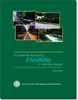
Context-sensitive solutions (CSS) reflect the need to consider highway projects as more than just transportation facilities. Depending on how highway projects are integrated into the community, they can have far-reaching impacts beyond their traffic or transportation function. CSS is a comprehensive process that brings stakeholders together in a positive, proactive environment to develop projects that not only meet transportation needs, but also improve or enhance the community. Achieving a flexible, context-sensitive design solution requires designers to fully understand the reasons behind the processes, design values, and design procedures that are used. This AASHTO Guide shows highway designers how to think flexibly, how to recognize the many choices and options they have, and how to arrive at the best solution for the particular situation or context. It also strives to emphasize that flexible design does not necessarily entail a fundamentally new design process, but that it can be integrated into the existing transportation culture. This publication represents a major step toward institutionalizing CSS into state transportation departments and other agencies charged with transportation project development.
Description
Context-sensitive solutions (CSS) reflect the need to consider highway projects as more than just transportation facilities. Depending on how highway projects are integrated into the community, they can have far-reaching impacts beyond their traffic or transportation function. CSS is a comprehensive process that brings stakeholders together in a positive, proactive environment to develop projects that not only meet transportation needs, but also improve or enhance the community. Achieving a flexible, context-sensitive design solution requires designers to fully understand the reasons behind the processes, design values, and design procedures that are used. This AASHTO Guide shows highway designers how to think flexibly, how to recognize the many choices and options they have, and how to arrive at the best solution for the particular situation or context. It also strives to emphasize that flexible design does not necessarily entail a fundamentally new design process, but that it can be integrated into the existing transportation culture. This publication represents a major step toward institutionalizing CSS into state transportation departments and other agencies charged with transportation project development.

Suppliers

Company
Product
Description
Supplier Links
A Guide for Achieving Flexibility in Highway Design, 1st Edition - FHD-1 - AASHTO Publications
Atlanta, GA, USA
A Guide for Achieving Flexibility in Highway Design, 1st Edition
FHD-1
A Guide for Achieving Flexibility in Highway Design, 1st Edition FHD-1
Context-sensitive solutions (CSS) reflect the need to consider highway projects as more than just transportation facilities. Depending on how highway projects are integrated into the community, they can have far-reaching impacts beyond their traffic or transportation function. CSS is a comprehensive process that brings stakeholders together in a positive, proactive environment to develop projects that not only meet transportation needs, but also improve or enhance the community. Achieving a flexible, context-sensitive design solution requires designers to fully understand the reasons behind the processes, design values, and design procedures that are used. This AASHTO Guide shows highway designers how to think flexibly, how to recognize the many choices and options they have, and how to arrive at the best solution for the particular situation or context. It also strives to emphasize that flexible design does not necessarily entail a fundamentally new design process, but that it can be integrated into the existing transportation culture. This publication represents a major step toward institutionalizing CSS into state transportation departments and other agencies charged with transportation project development.

Context-sensitive solutions (CSS) reflect the need to consider highway projects as more than just transportation facilities. Depending on how highway projects are integrated into the community, they can have far-reaching impacts beyond their traffic or transportation function. CSS is a comprehensive process that brings stakeholders together in a positive, proactive environment to develop projects that not only meet transportation needs, but also improve or enhance the community. Achieving a flexible, context-sensitive design solution requires designers to fully understand the reasons behind the processes, design values, and design procedures that are used. This AASHTO Guide shows highway designers how to think flexibly, how to recognize the many choices and options they have, and how to arrive at the best solution for the particular situation or context. It also strives to emphasize that flexible design does not necessarily entail a fundamentally new design process, but that it can be integrated into the existing transportation culture. This publication represents a major step toward institutionalizing CSS into state transportation departments and other agencies charged with transportation project development.

Supplier's Site

Technical Specifications

  AASHTO Publications
Product Category Standards and Technical Documents
Product Number FHD-1
Product Name A Guide for Achieving Flexibility in Highway Design, 1st Edition
Unlock Full Specs
to access all available technical data

Similar Products